
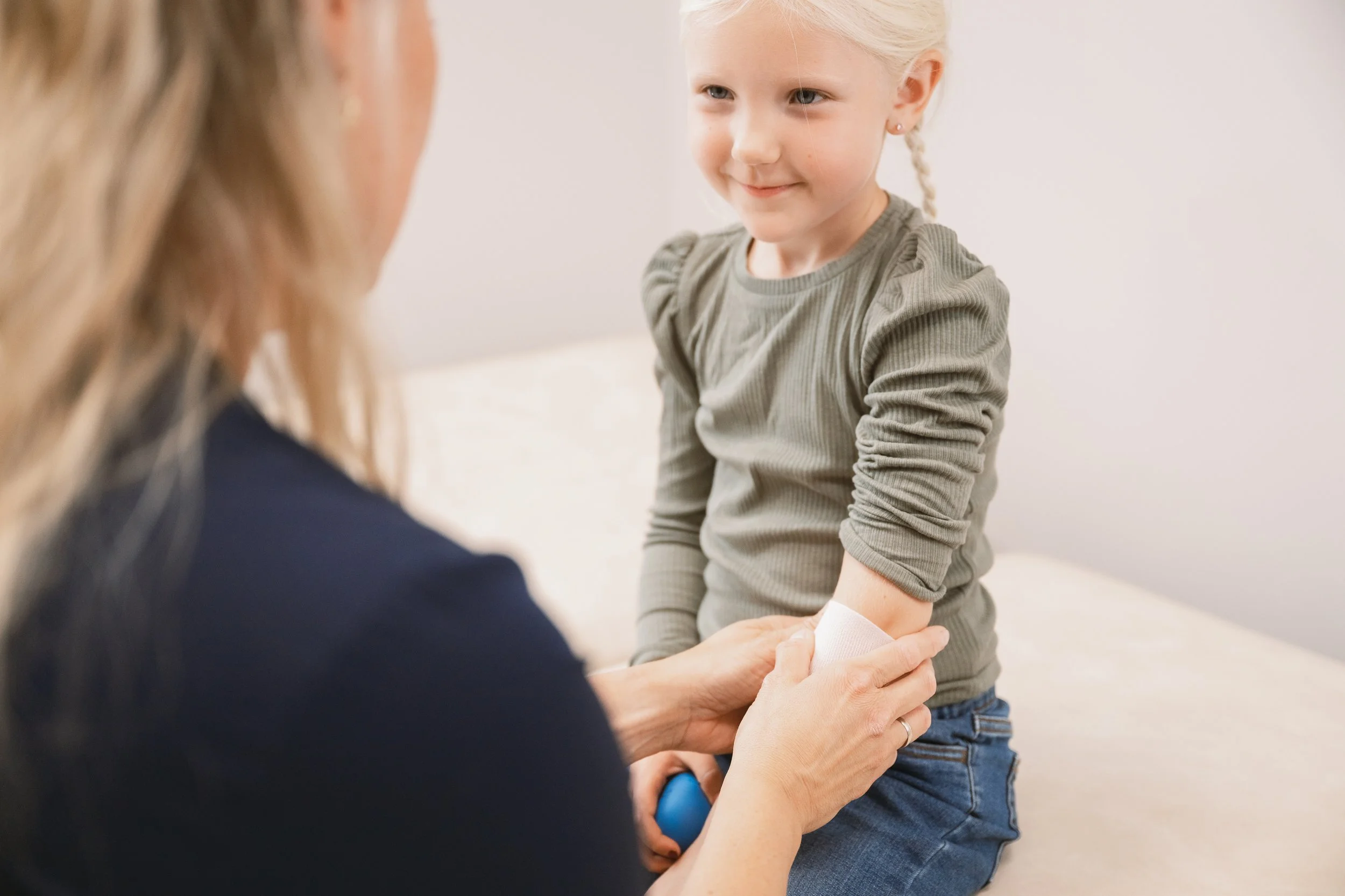
Supporting patients through complex care journeys
Hospitals are structured systems, but for patients they often feel unpredictable and overwhelming. Grasp is a clinically grounded tool that helps patients cope with uncertainty during care, creating consistent and regulated regulated experiences across departments.
Hospitalized patients frequently experience uncertainty, loss of control, and communication barriers. When the stress response remains unaddressed, it can contribute to treatment resistance, increased sedation, prolonged recovery, and added staff strain.
Supporting patient regulation early changes that trajectory.
Grasp introduces a standardized approach to coping and communication that can be implemented across departments, creating a unified and scalable patient experience.
Standardized, scalable patient experience
-
Structured coping and distraction strategies can decrease the need for pharmacological sedation in selected cases.
Data on file. -
Standardized, real-time patient signals remove guesswork and support consistent clinical response.
-
Restoring patient agency improves cooperation and perceived safety during treatment and recovery.
-
A unified signaling system reduces escalation and strengthens coordination across teams and units.
One system. Multiple departments.

"Many symptoms in healthcare are subjective, such as pain, nausea, or discomfort. Tools like Grasp allow patients to communicate these experiences in real time, giving clinicians valuable insight that can improve treatment and care."
Professor Stener Kvinnsland
University Hospital Physician
Trusted by:








Supporting AI-driven recovery monitoring
In hospital settings, Grasp can function as a structured symptom and pain input during recovery. These patient-generated signals can integrate with advanced monitoring systems and AI-assisted recovery platforms.
One example is RecovryAI, whose postoperative recovery chatbot recently received FDA Breakthrough Device designation, highlighting the growing role of patient-reported data in next-generation clinical decision support.
-
AI becomes more meaningful when objective clinical data is combined with real-time patient signals. Grasp provides structured insight into how care is experienced, allowing AI systems to interpret both medical reality and patient response.
In postoperative care, for example, Grasp can contribute symptom and pain signals to recovery platforms such as RecovryAI, helping clinicians understand how patients are coping during recovery.
-
Imaging, procedural parameters, and patient-reported signals can be interpreted together, transforming complex inputs into contextual and actionable guidance at the point of care.
By integrating structured patient feedback, AI systems gain a deeper understanding of when to escalate care, adjust treatment, or provide reassurance.
-
AI should not only optimize speed and throughput. It should support better decisions that balance clinical quality, safety, patient comfort, and long-term outcomes.
Platforms such as RecovryAI illustrate this shift toward AI-assisted recovery monitoring, where real-time patient experience becomes part of clinical decision support.
-
Efficiency matters. But sustainable healthcare also depends on safety, trust, adherence, and long-term engagement.
When AI incorporates both clinical and experiential dimensions, it supports care that is not only technically correct, but aligned with patient comfort, stability, and long-term outcomes.
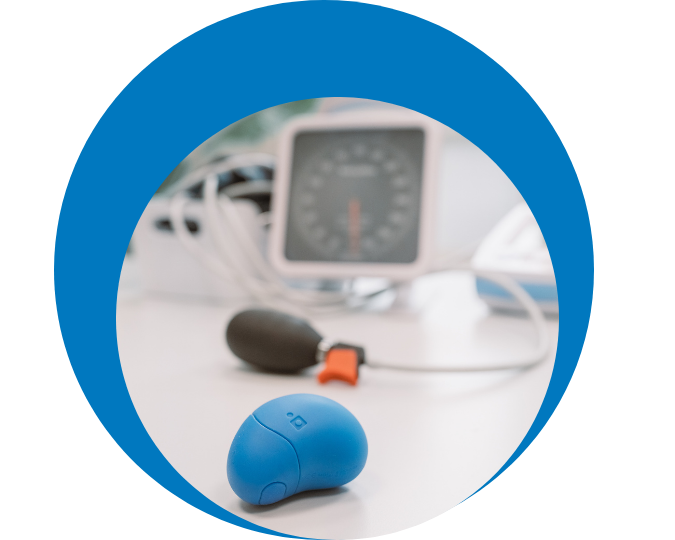
Non-invasive device. Backed by science.
Grasp is built on strong evidence from the scientific literature. By combining proven strategies such as active distraction, structured communication, and patient agency, it brings together high-evidence interventions into one powerful clinical solution.
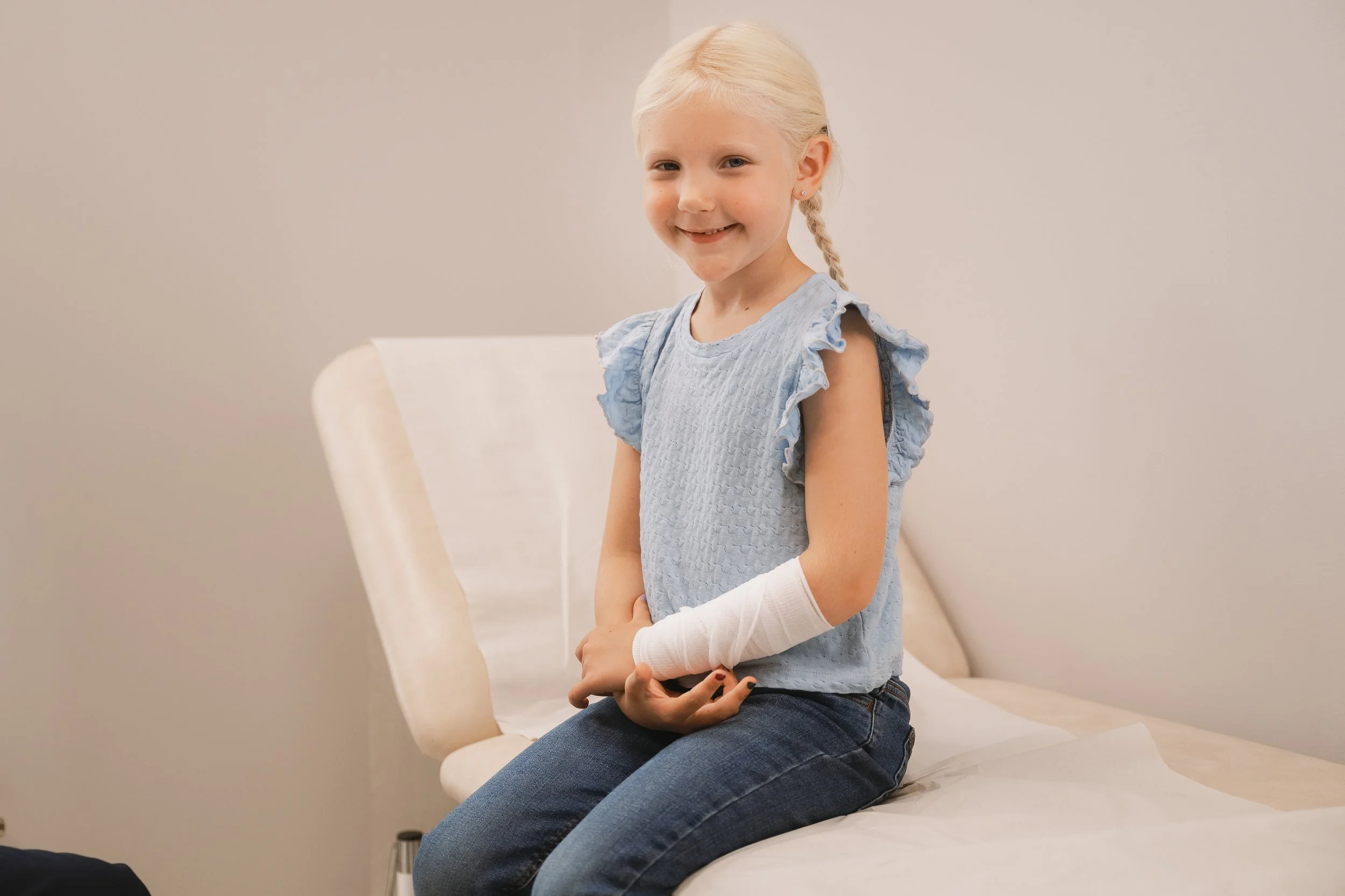
Grasp for children
Grasp for adults

Introducing Grasp
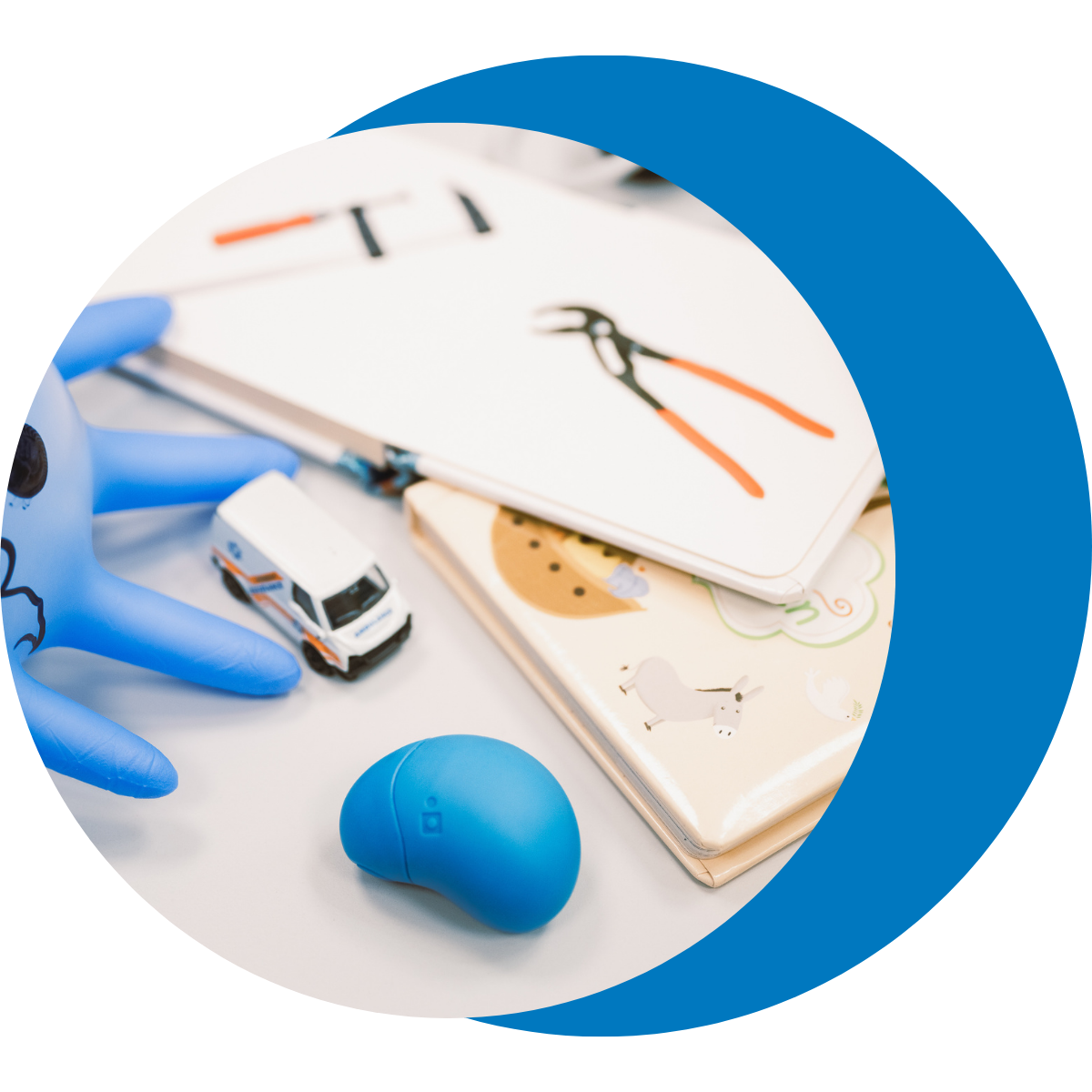
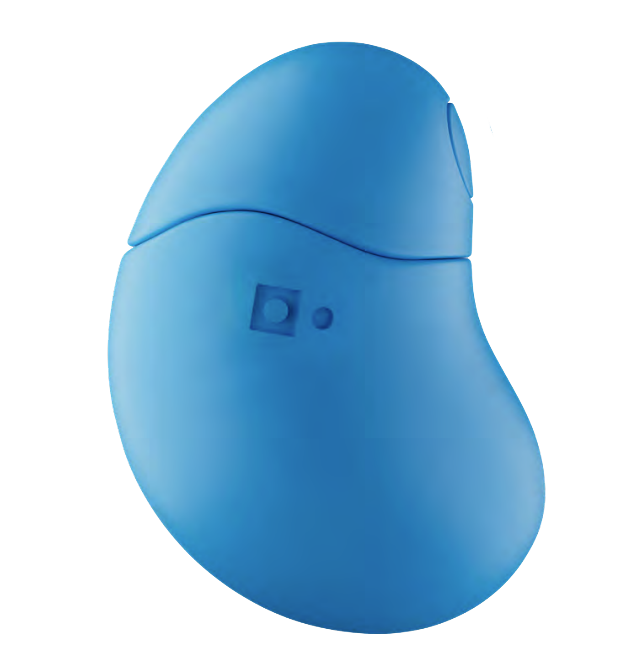
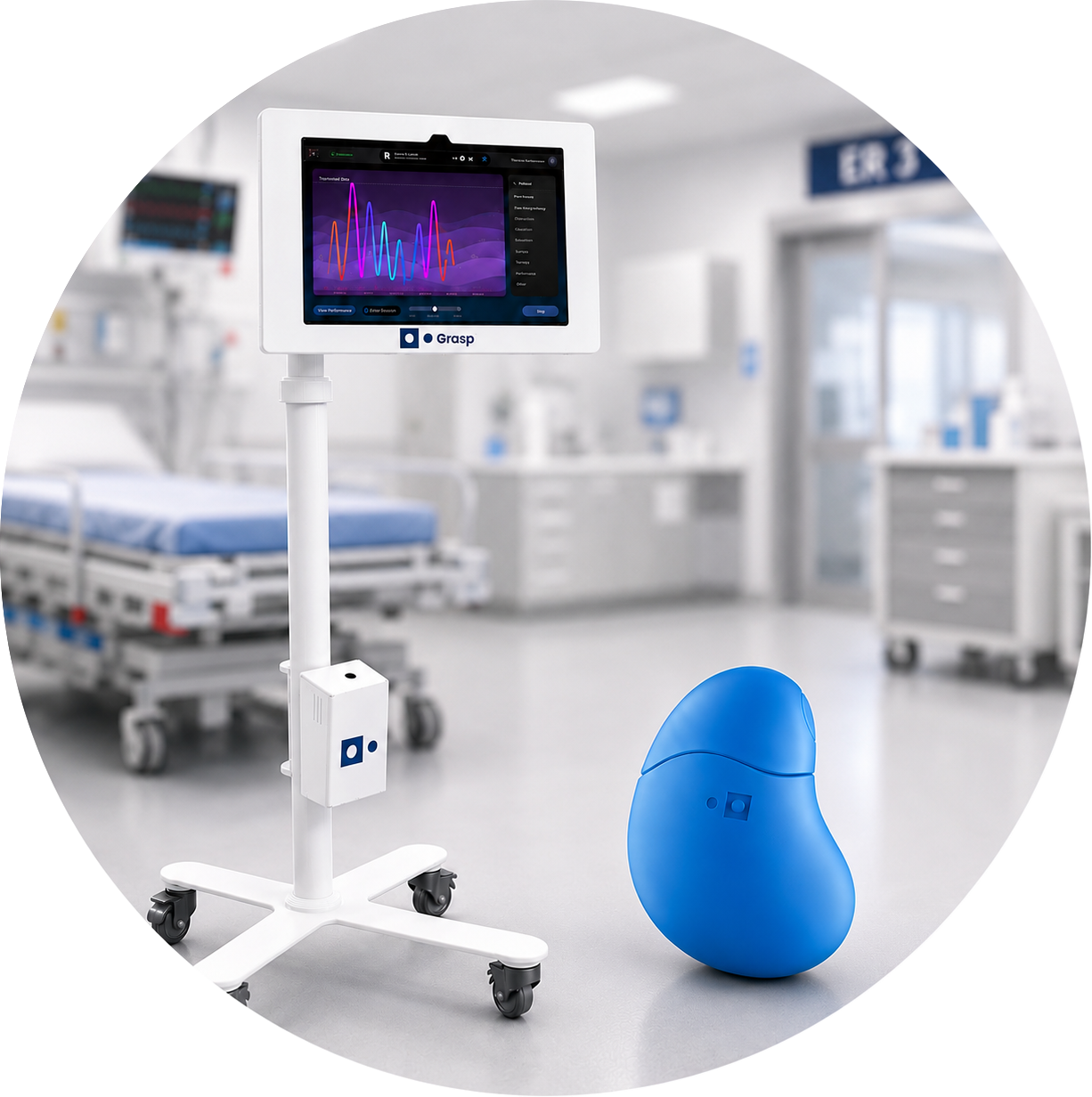
Grasp is a medical device grounded in evidence-based coping strategies that support emotional regulation during healthcare encounters. It combines active distraction, tactile engagement and real-time communication to help patients feel safe, heard, and in control.
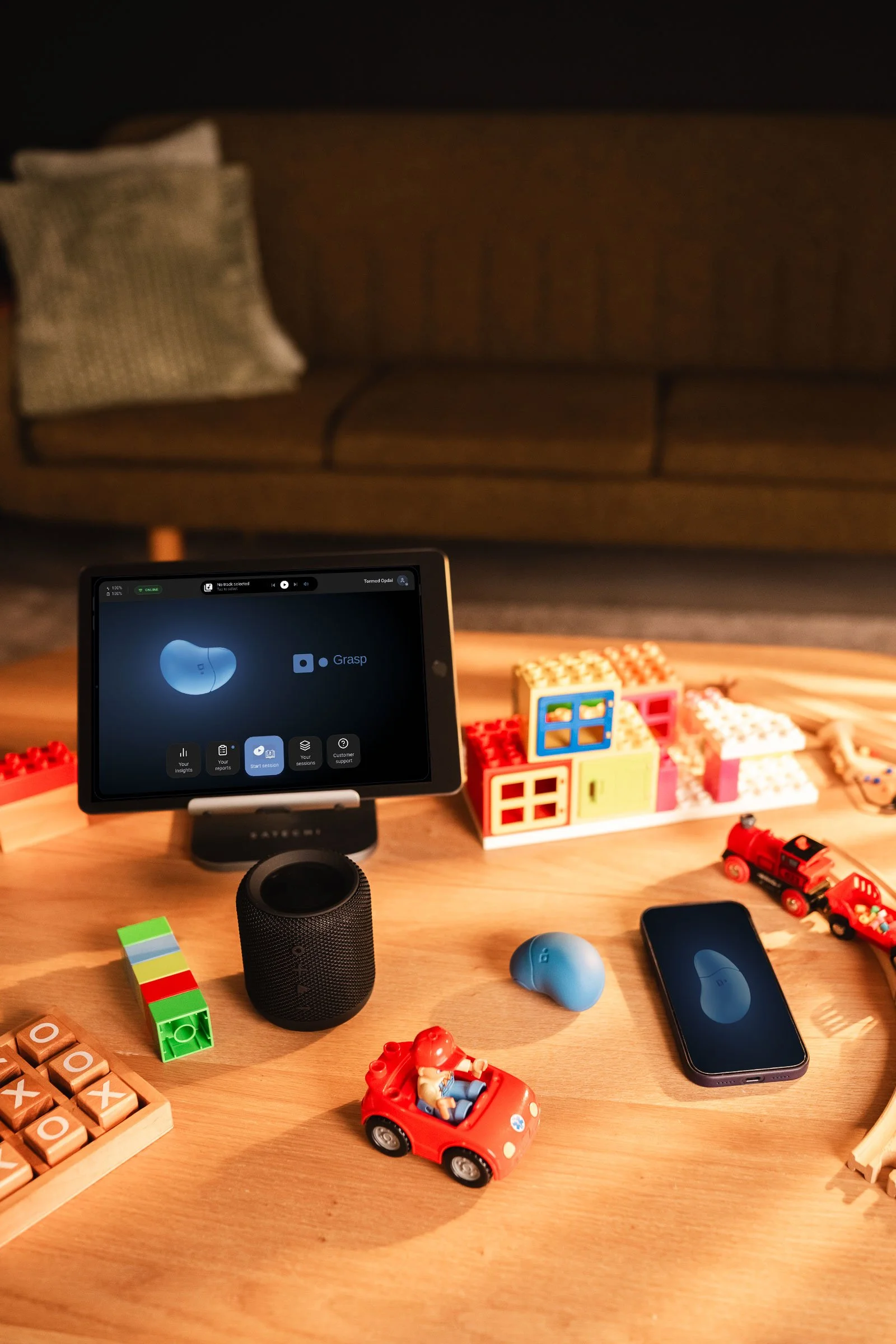
Audiovisual active distraction combined with tactile engagement helps children shift focus from fear to fun.
Distract
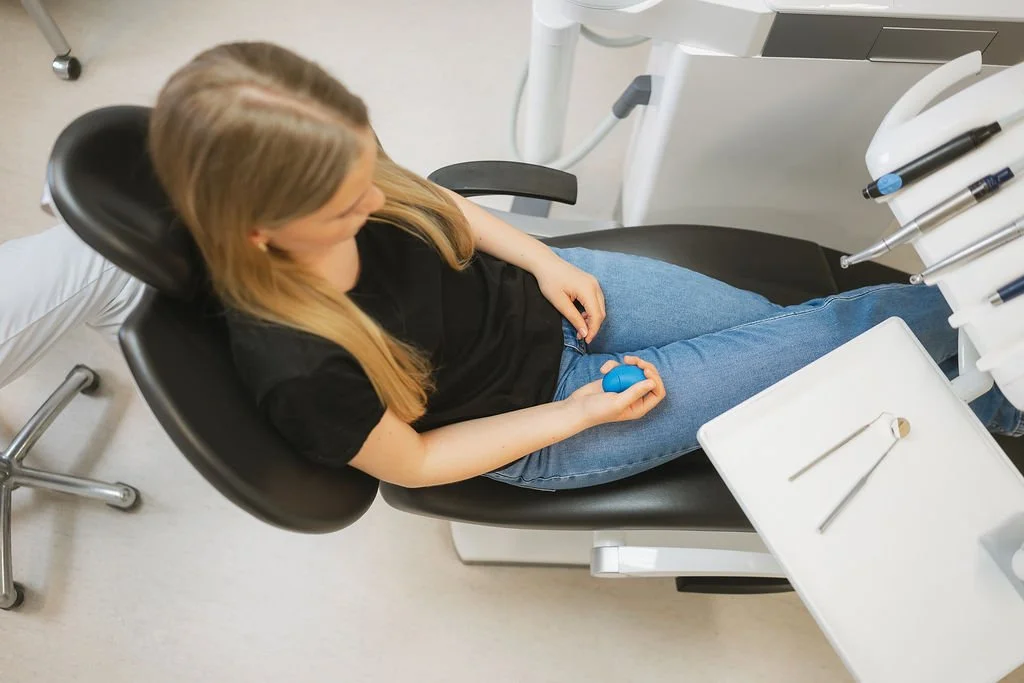
A simple signaling system allows patients to express discomfort and have agency without interrupting care.
Communicate
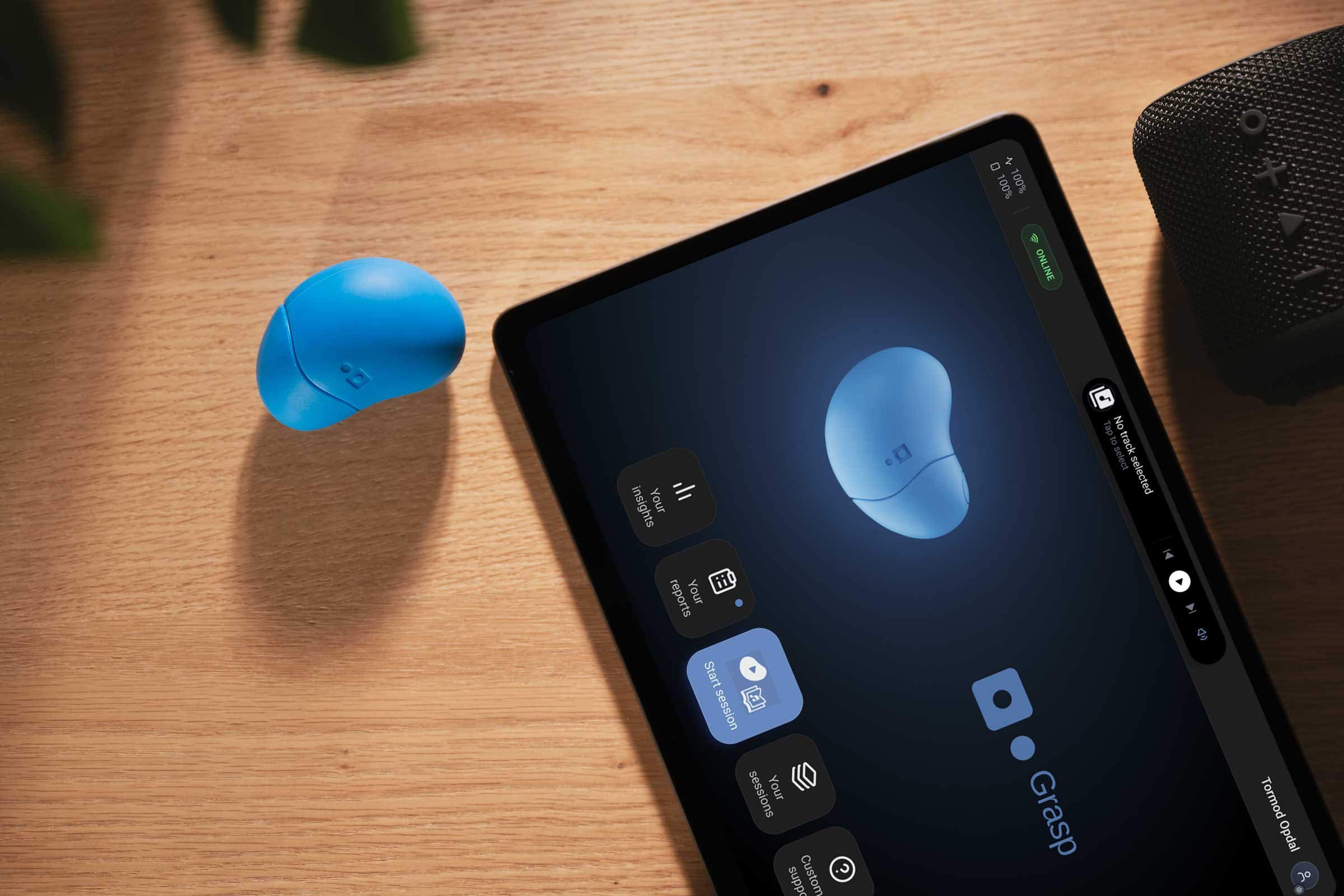
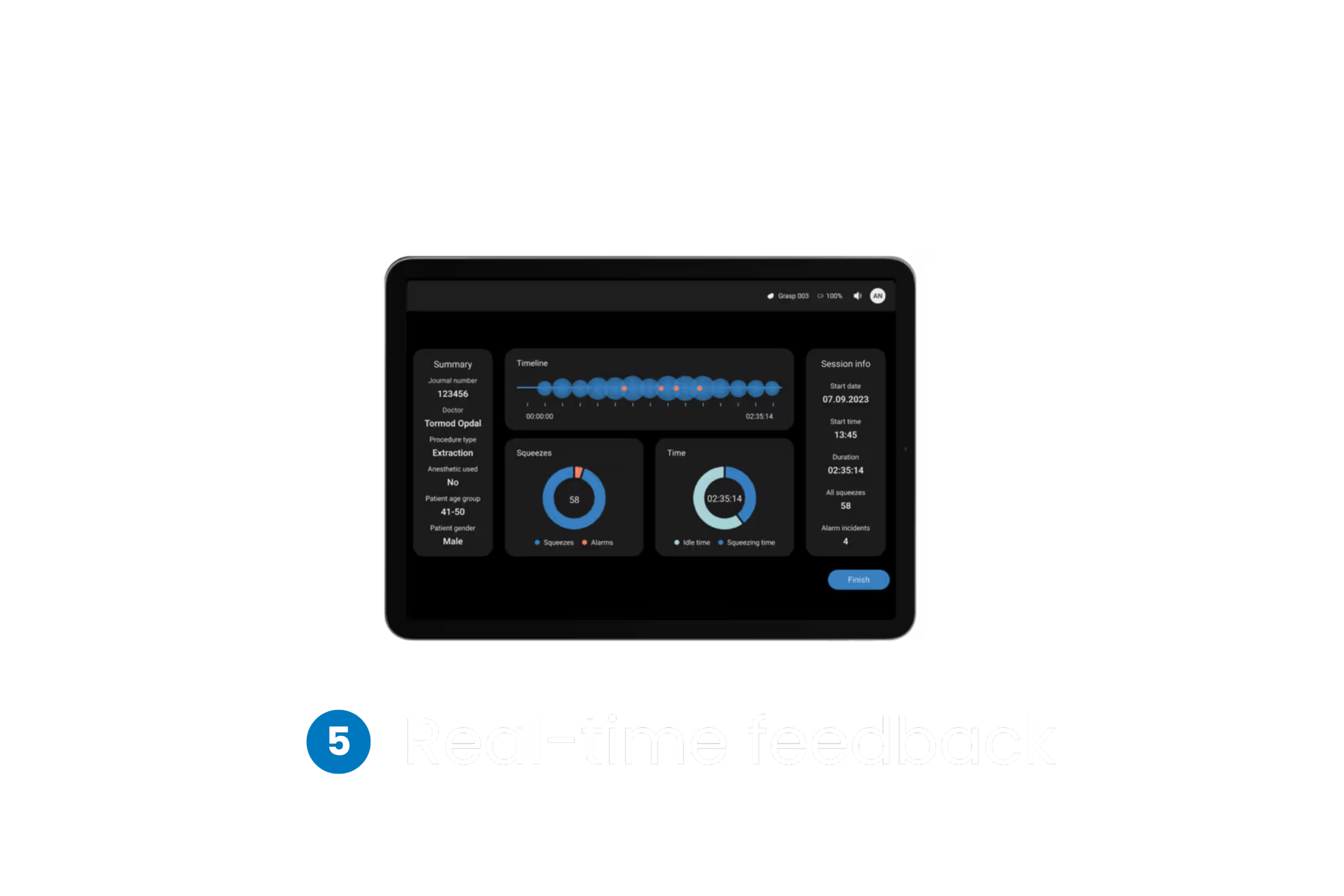
Real time patient feedback removes guesswork and supports more confident clinical decisions.
Standardize
How it works
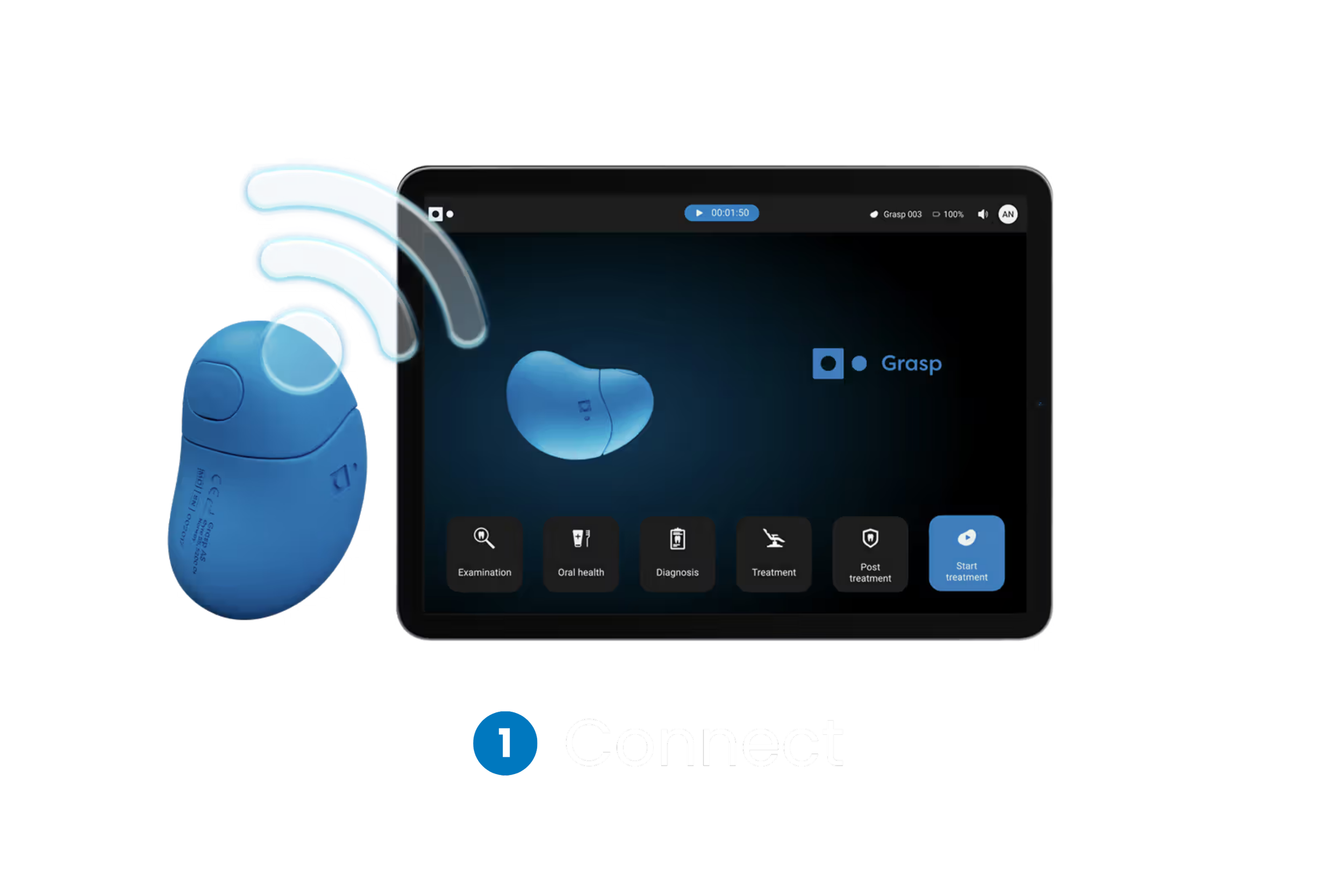
Explore coping modes
Grasp Aware is equipped with two distinct modes to enhance the patient care experience, each tailored to meet different patient needs and preferences. Learn more about to use the different coping modes in your practice.
-
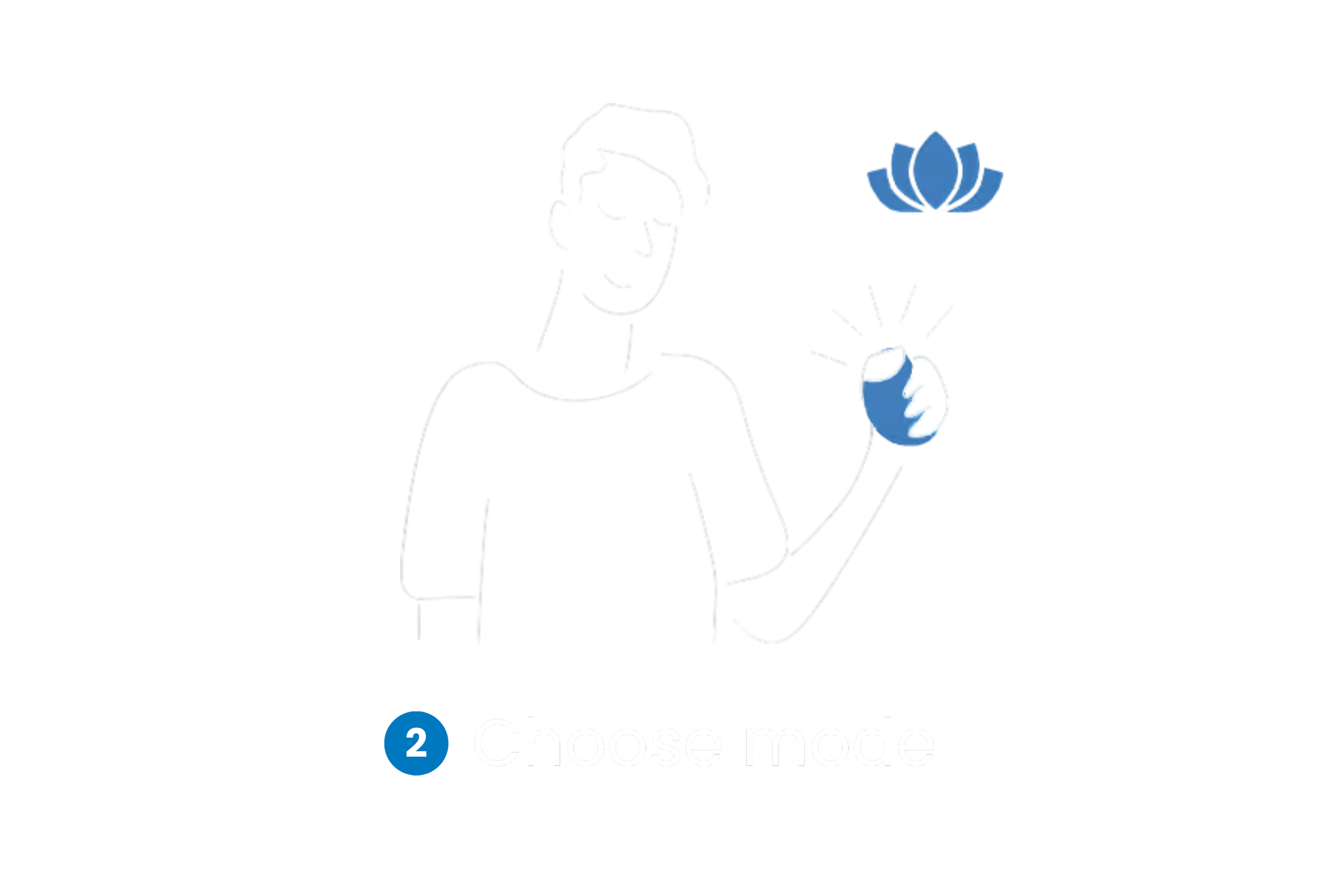
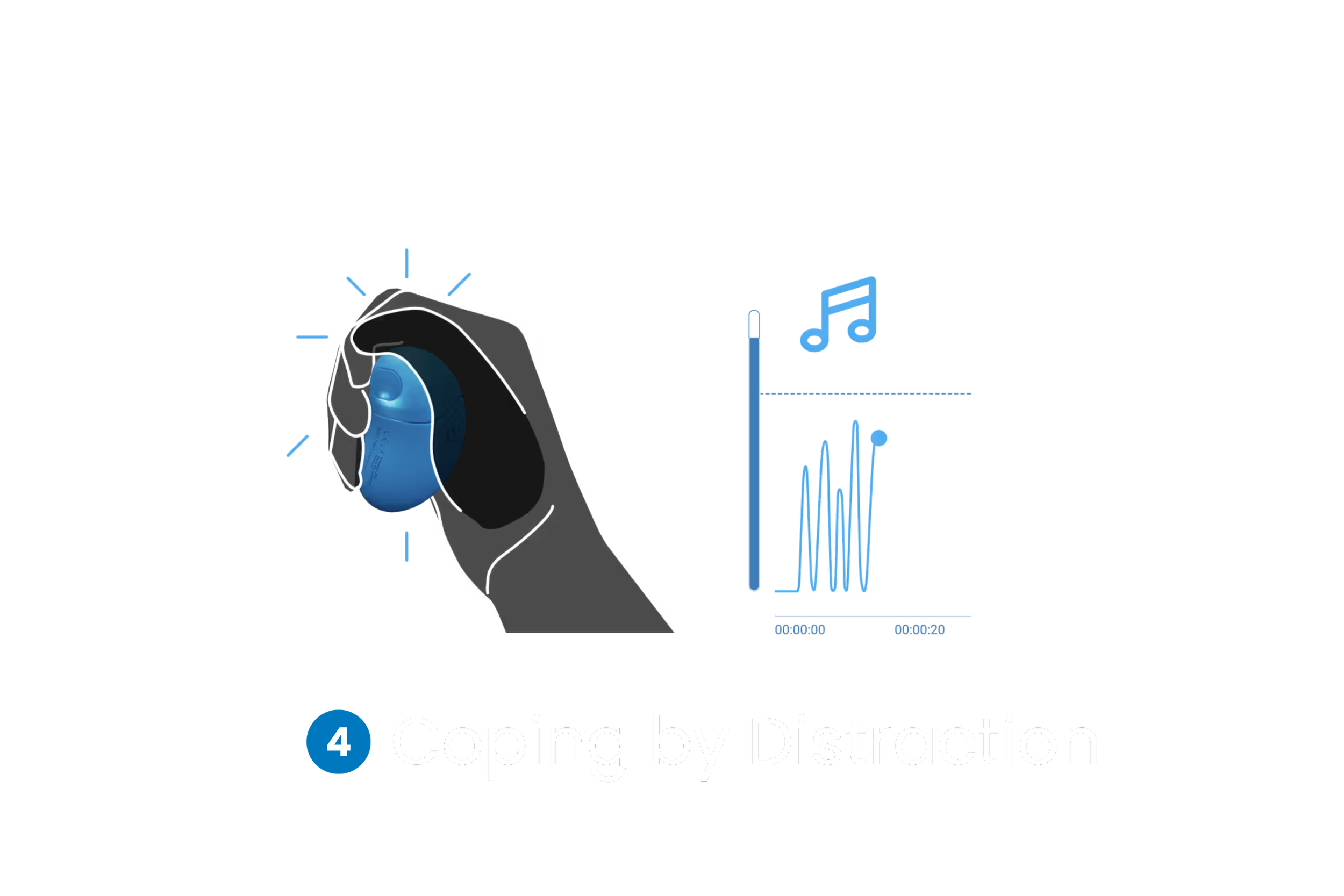
This mode focuses on active distraction and engagement.
Coping by Distraction helps patients manage stress by shifting attention away from the procedure and into an interactive experience. By squeezing the device, the patient activates music and audiovisual feedback, creating an engaging focus during treatment.
This helps patients stay calm and involved, supporting emotional regulation and transforming the experience into active participation.
This interactive experience keeps the patient actively engaged and helps transform treatment from a passive experience into active participation.
-
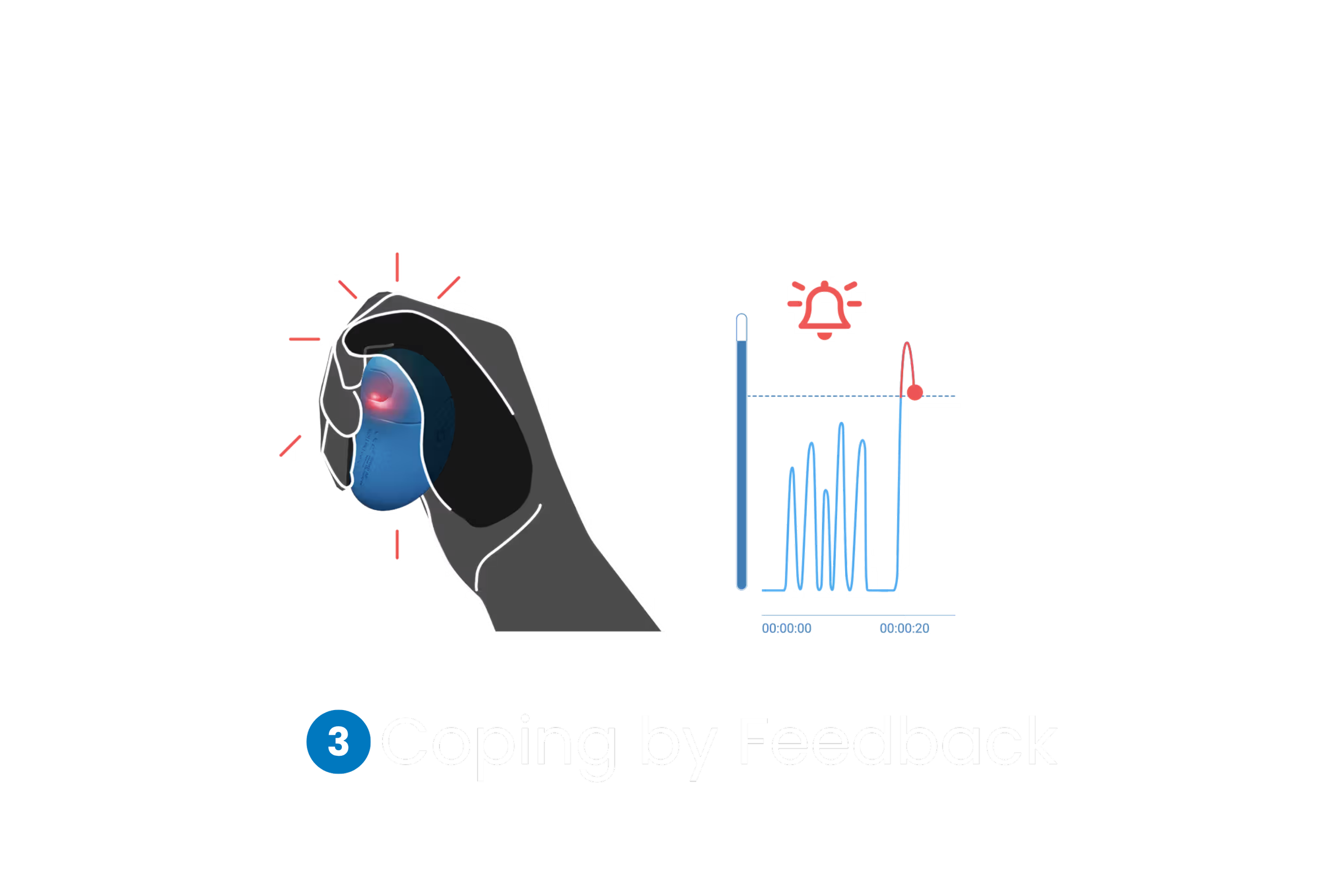
This mode provides continuous feedback, safety, and control.
Coping by Feedback allows patients to communicate how they are feeling during the procedure, while also giving them a clear way to pause when needed. By squeezing the device, the patient adjusts audio and visual signals to indicate discomfort, while a firm squeeze and hold triggers a stop signal.
This gives clinicians real-time insight into how the patient is coping, enabling more responsive and confident care.
What users are saying
-
![user-testimonial-annika-11-years]()
Annika, 11 years
"I liked the ball very much. It was nice to hold in my hand, and I liked how it played music when I squeezed it."
-
![user-testimonial-harald-71-years]()
Harald, 71 years
“Being able to communicate without interrupting, gave me a sense of control and made the procedure much more managable.”
-
![user-testimonial-anna-28-years]()
Anna, 28 years
"I appreciated having a simple way to show when something felt uncomfortable. It made the appointment feel safer and more supportive."
-
![user-testimonial-marta-62-years]()
Marta, 62 years
"I usually feel tense before medical appointments, but having a simple way to signal how I was feeling made a real difference.”
-
![user-testimonial-dentist-bjelland]()
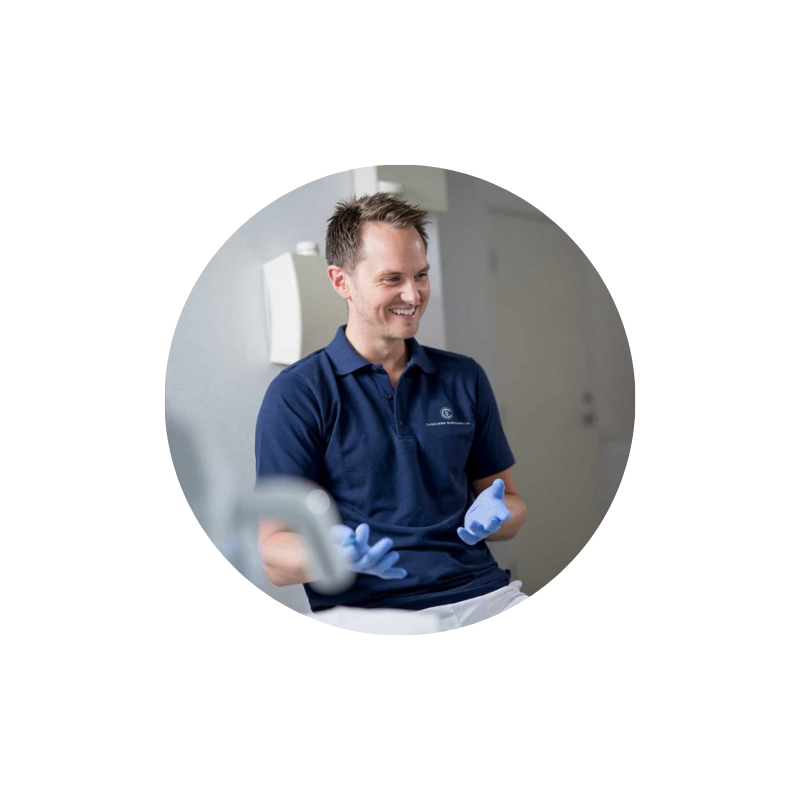
Dentist Bjelland & Co.
“Finally a solution that helps me understand how the patient is doing, without having to constantly read every reaction.”
-
![user-testimonial-emergency-clinic]()
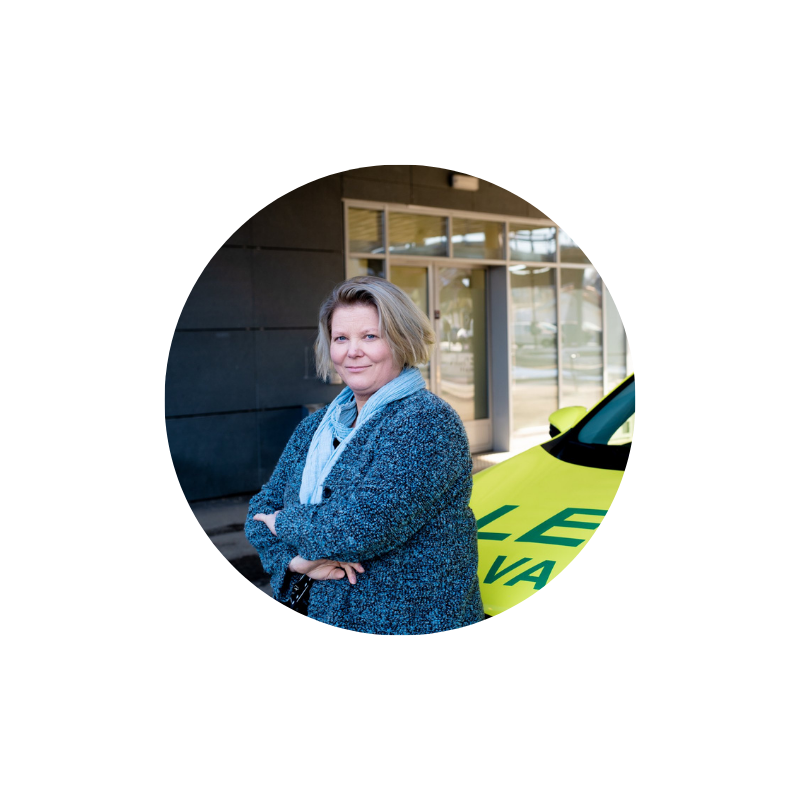
Nedre Romerike Emergency Clinic
“Grasp is a valuable tool in helping patients regulate stress during procedures that were previously very difficult to complete.”
-
![user-testimonial-haukeland-universitetssjukehus]()
Haukeland University Hospital
"Grasp gives clinicians real-time insight into how patients are experiencing treatment, opening new opportunities to improve care."
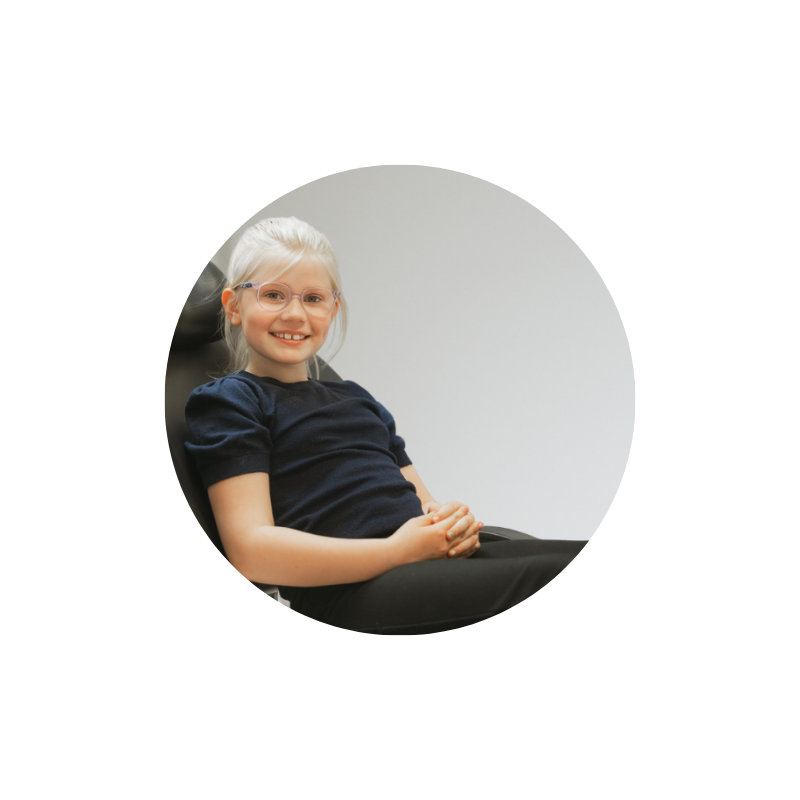




Whatever challenge your patients face, we are here to help them cope with confidence.
-
Grasp was founded by two clinicians who, over years of practice, repeatedly saw the same challenge: patient fear was recognized, but rarely managed in a way that strengthened confidence and lasting trust.
-
By combining clinical insight with proven coping strategies, Grasp gives patients a simple way to express and manage their emotions in real time. Helping them feel safer, more in control, and better supported during care.
-
We collaborate with dental clinics, primary care providers, emergency departments, and hospitals committed to delivering calmer, more confident care.

Turn care into your advantage
By combining patients' real-time feedback with clinical insights, Grasp empowers your team to deliver more connected, adaptive, and supportive care.
Integrating Grasp into your clinic sets you apart and turns compassionate care into a competitive advantage:
-
Create a calmer, more efficient work environment.
-
Lower anxiety-driven delays and treatment interruptions.
-
shape young patients’ relationship with the dentist for life.
-
Become a thought leader in innovative, patient-centered care.
Get started today
Choose the solution that fits your clinical workflow
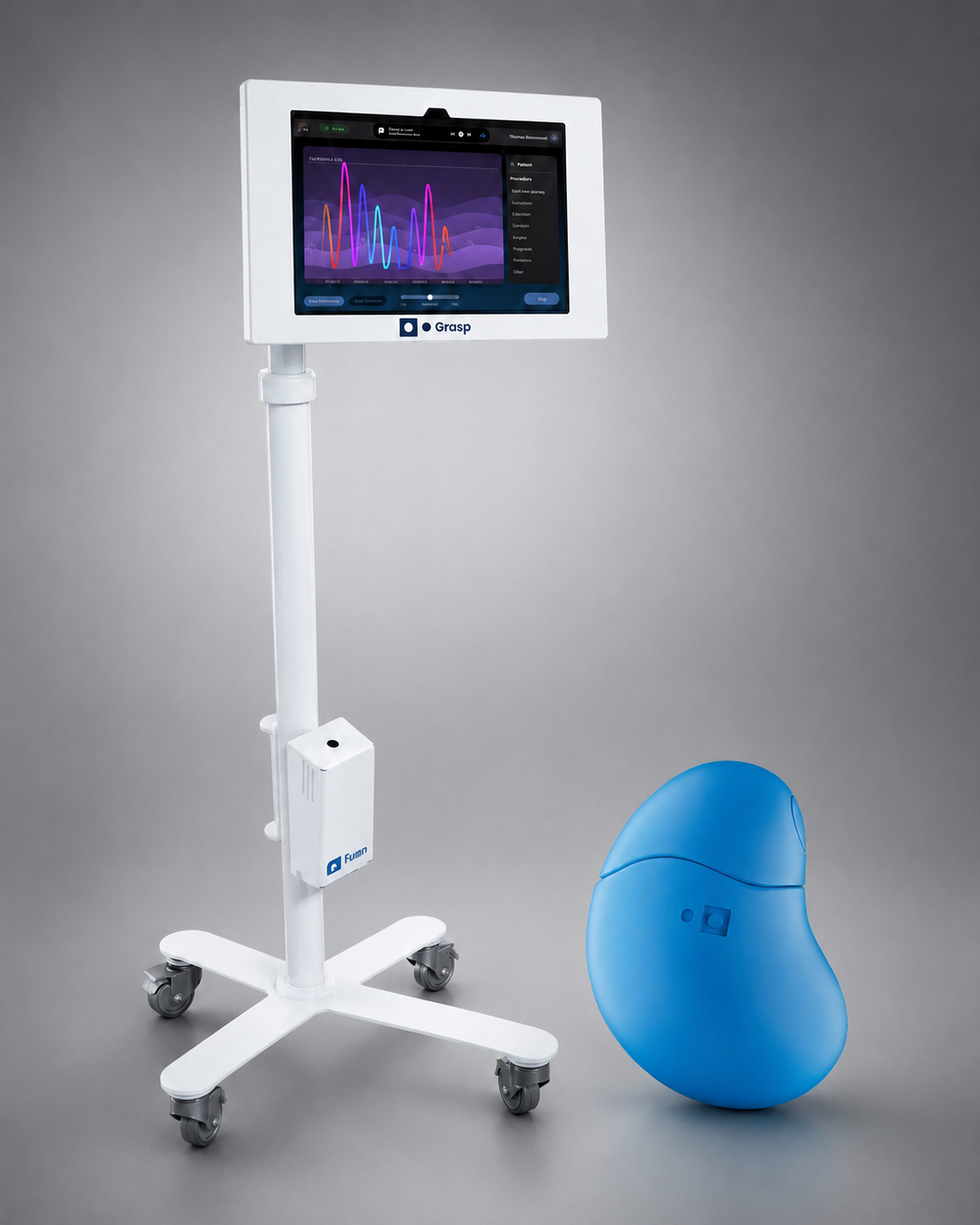
Grasp Aware Cart
Best for clinics where mobility and accessibility matters
NOK 60,000 excl. VAT
Financing by monthly payment is available (talk to our team).
The price includes 3 years of software license and 1 year warranty.
-
Grasp Device (pressure-sensitive silicone device)
Mobile Cart (5 wheels, height-adjustable up to approximately 1.5 m)
Lenovo Tab K11 5G 11” med MDM with MDM (Mobile Device Management)
Sound system
Storage compartment for power supply and cables
24h Access to Grasp Aware Mobile App with unlimited number of sessions
24h Access to Grasp Insights Web App providing dashboards and usage analytics
Support and training on how to get the most value for your clinic
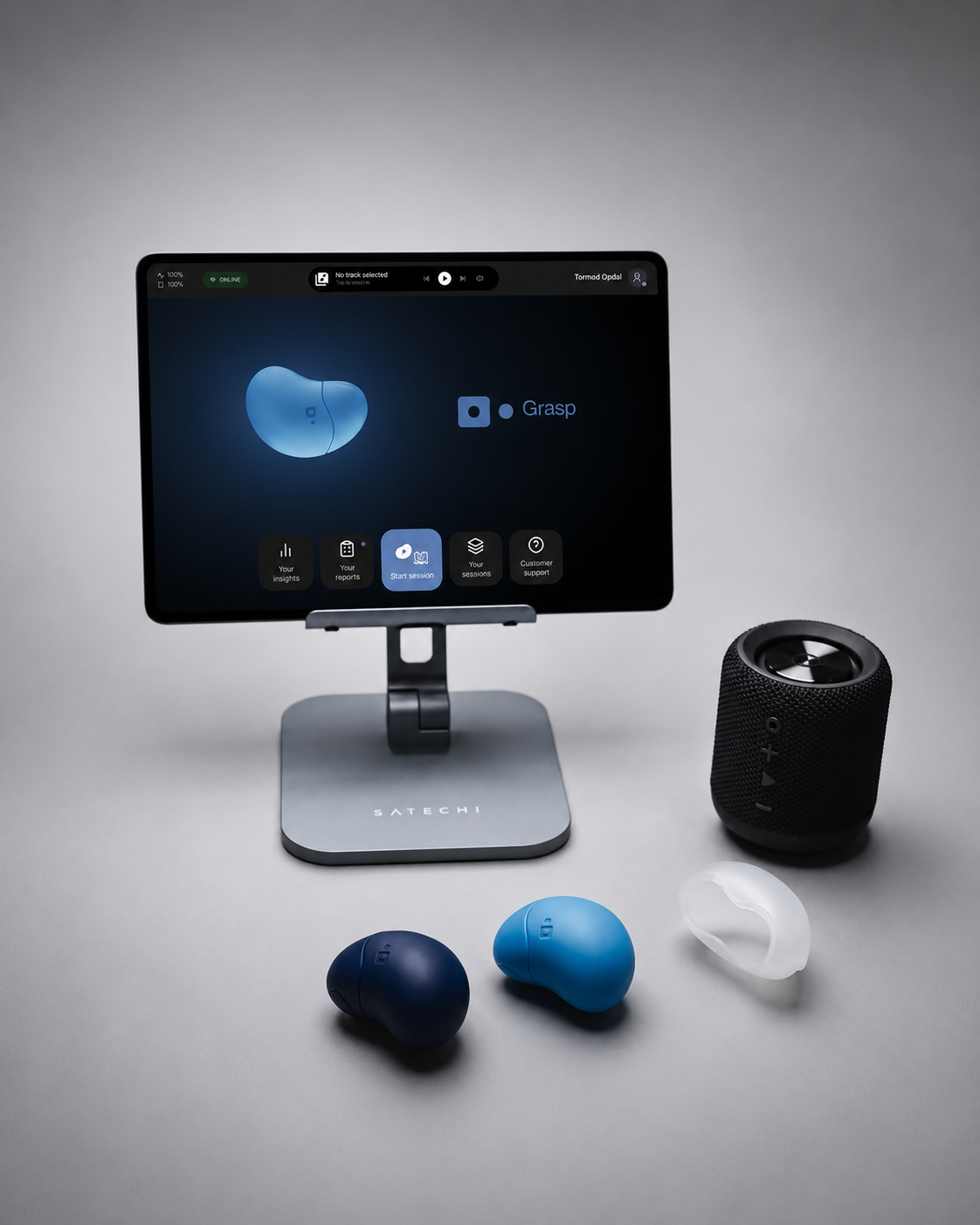
Grasp Aware Pod
Ideal for treatment rooms with a fixed setup
NOK 30,000 excl. VAT
Financing by monthly payment is available (talk to our team).
The price includes 3 years of software license and 1 year warranty.
-
Grasp Device (pressure-sensitive silicone device)
Table Stand
Lenovo Tab K11 5G 11” med MDM with MDM (Mobile Device Management)
Sound system
24h Access to Grasp Aware Mobile App with unlimited number of sessions
24h Access to Grasp Insights Web App providing dashboards and usage analytics
Support and training on how to get the most value for your clinic
Grasp in numbers
Number of users
677

Number of treatment sessions
10,321
Number of clinical data points
152,234
Book demo or get in touch
Book an online demo or get in touch to see how Grasp helps patients regulate stress and communicate in real time.