
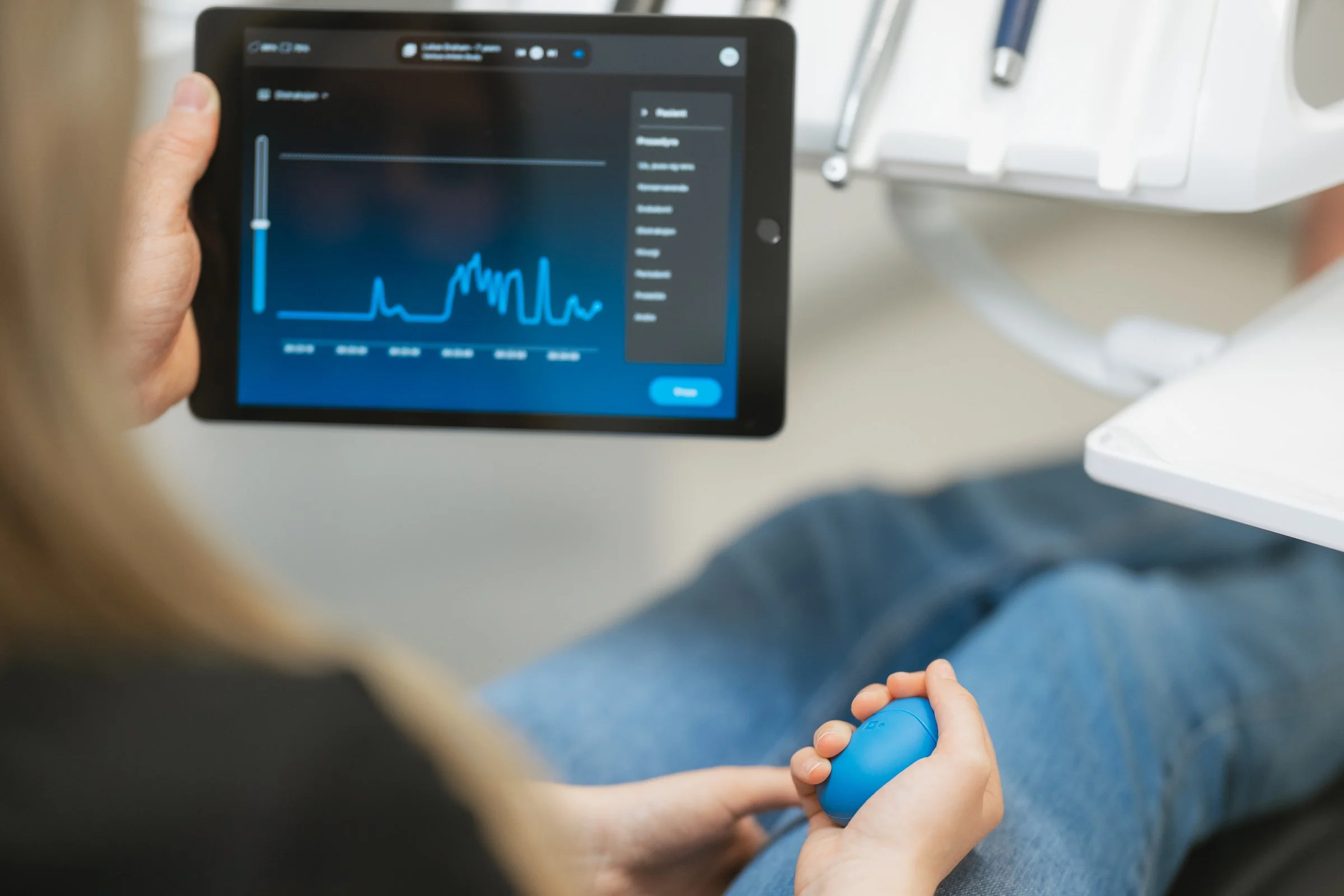
Technology at your fingertips
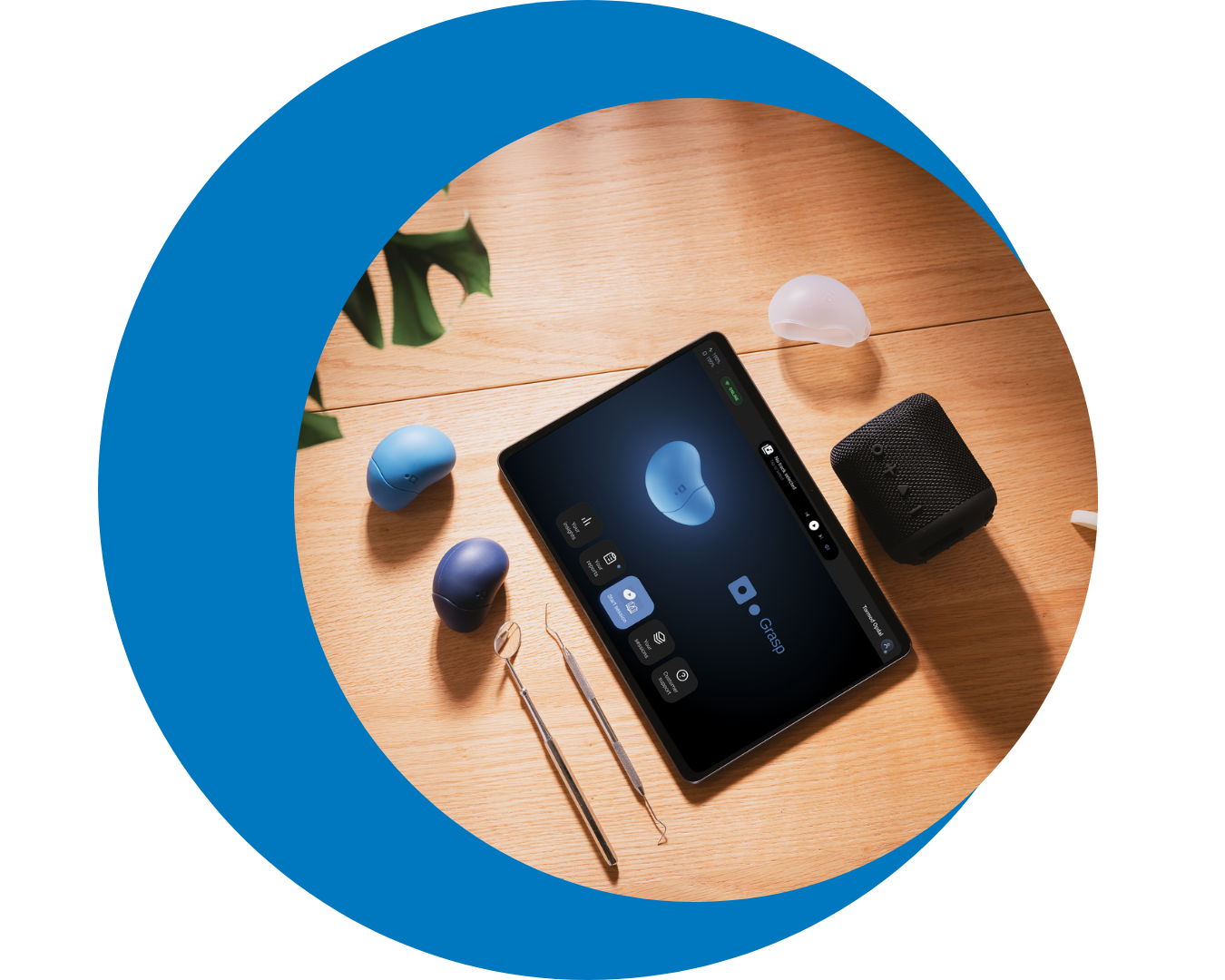
Many healthcare technologies add complexity to clinical workflows. Grasp does the opposite. It builds on a natural human behavior and translates it into a simple clinical tool giving clinicians instant insights for more personalized and effective care.
How it works
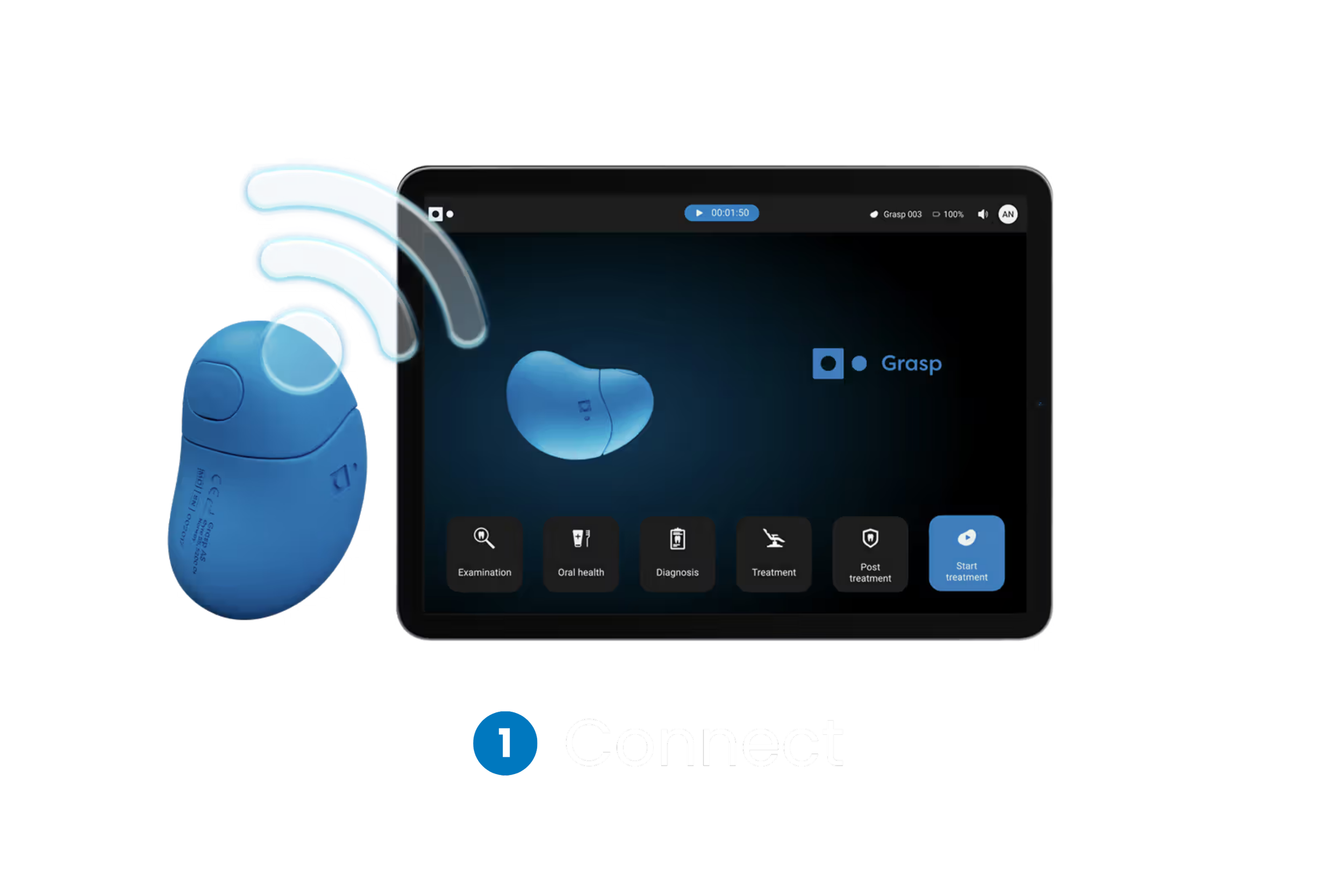
Explore coping modes
Grasp Aware is equipped with two distinct modes to enhance the patient care experience, each tailored to meet different patient needs and preferences. Learn more about to use the different coping modes in your practice.
-
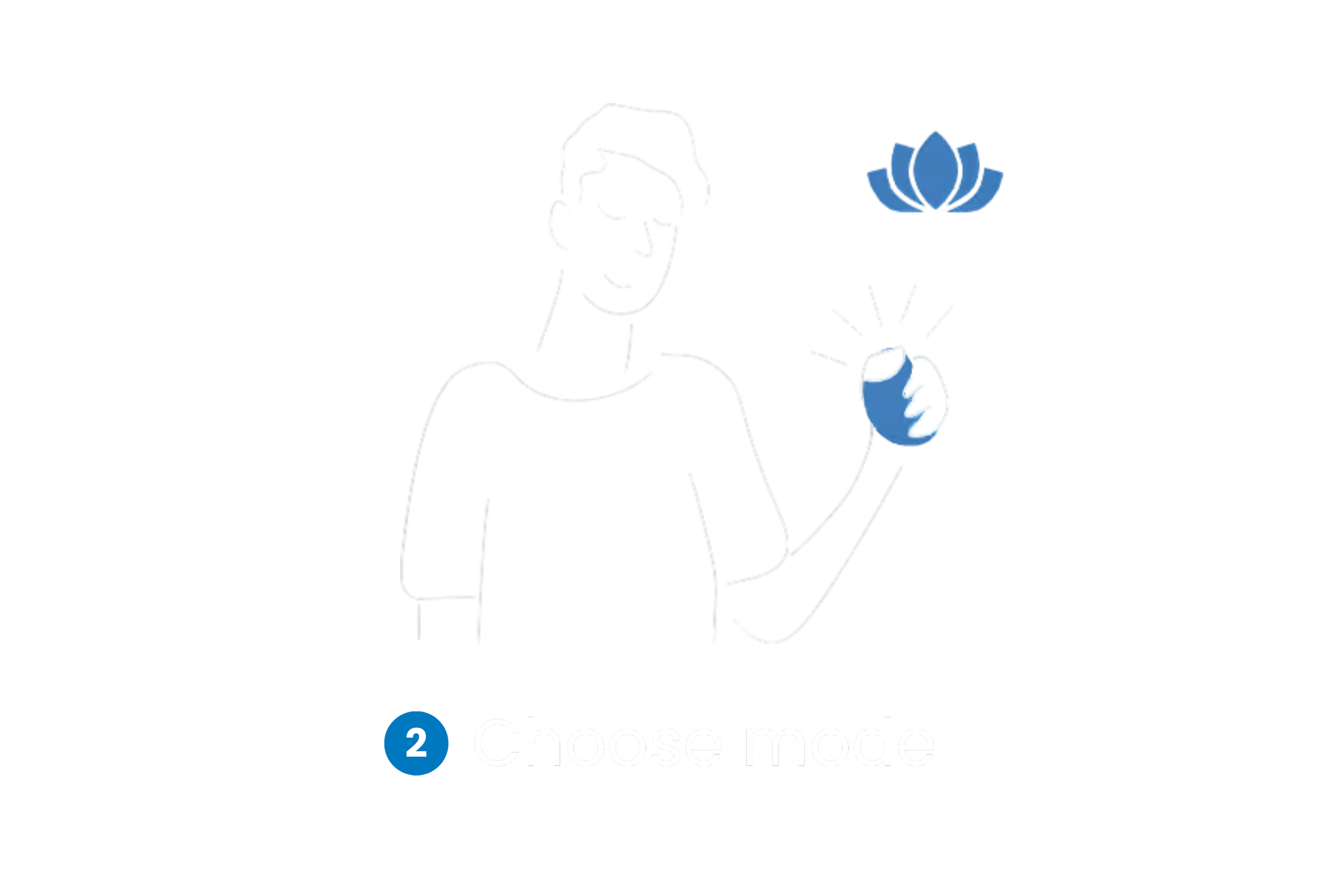
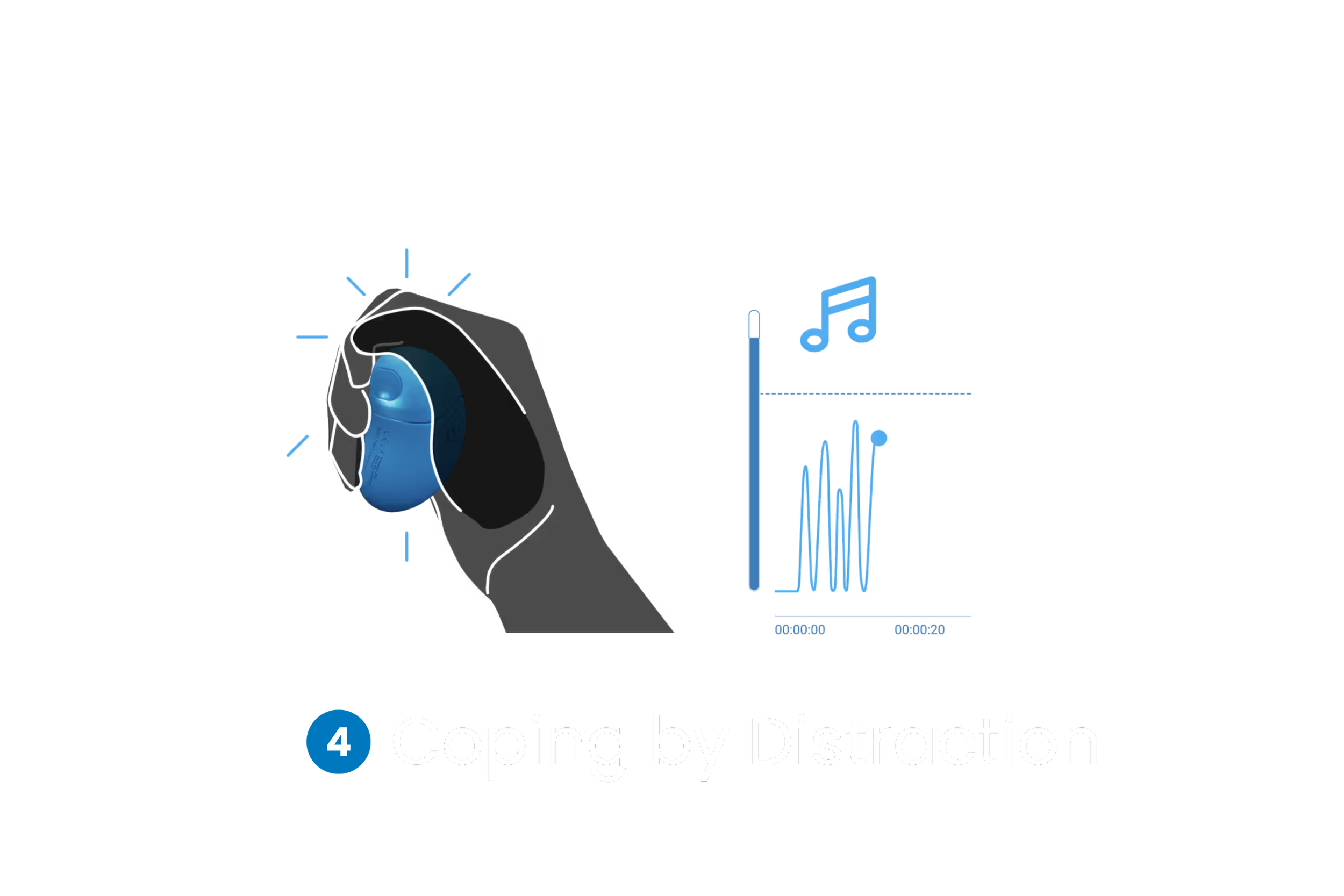
This mode focuses on active distraction and engagement.
Coping by Distraction helps patients manage stress by shifting attention away from the procedure and into an interactive experience. By squeezing the device, the patient activates music and audiovisual feedback, creating an engaging focus during treatment.
This helps patients stay calm and involved, supporting emotional regulation and transforming the experience into active participation.
This interactive experience keeps the patient actively engaged and helps transform treatment from a passive experience into active participation.
-
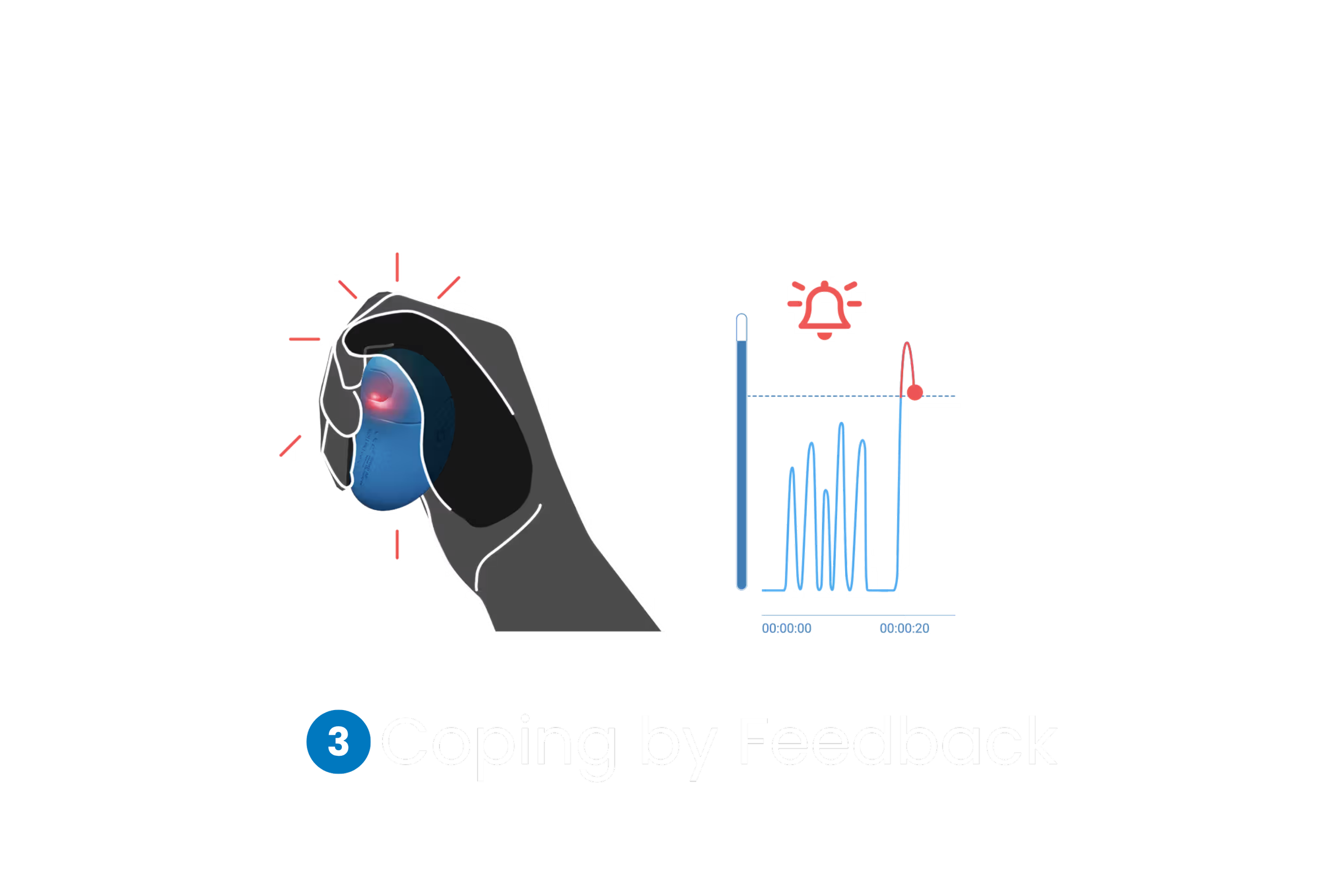
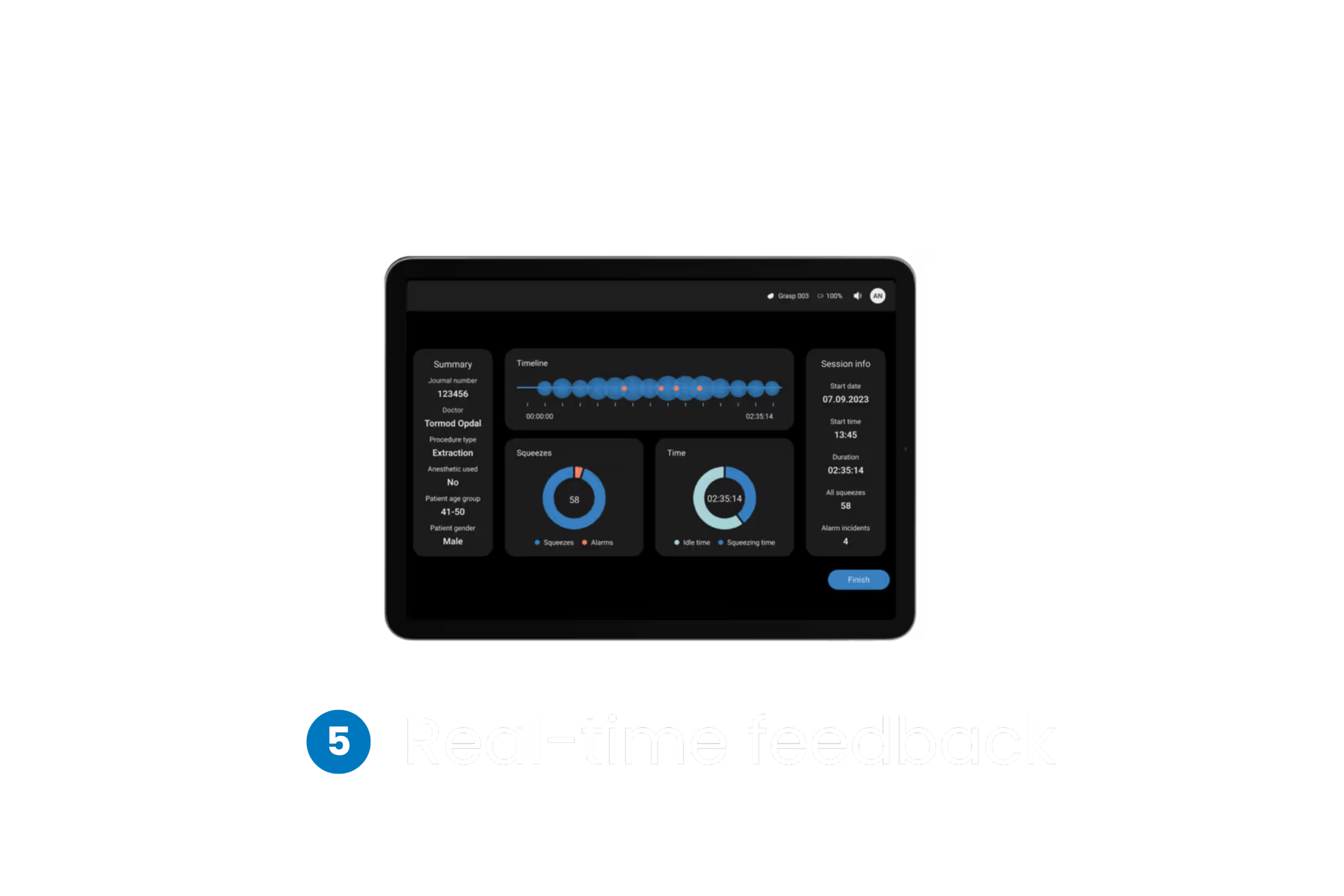
This mode provides continuous feedback, safety, and control.
Coping by Feedback allows patients to communicate how they are feeling during the procedure, while also giving them a clear way to pause when needed. By squeezing the device, the patient adjusts audio and visual signals to indicate discomfort, while a firm squeeze and hold triggers a stop signal.
This gives clinicians real-time insight into how the patient is coping, enabling more responsive and confident care.
Data-driven decisions
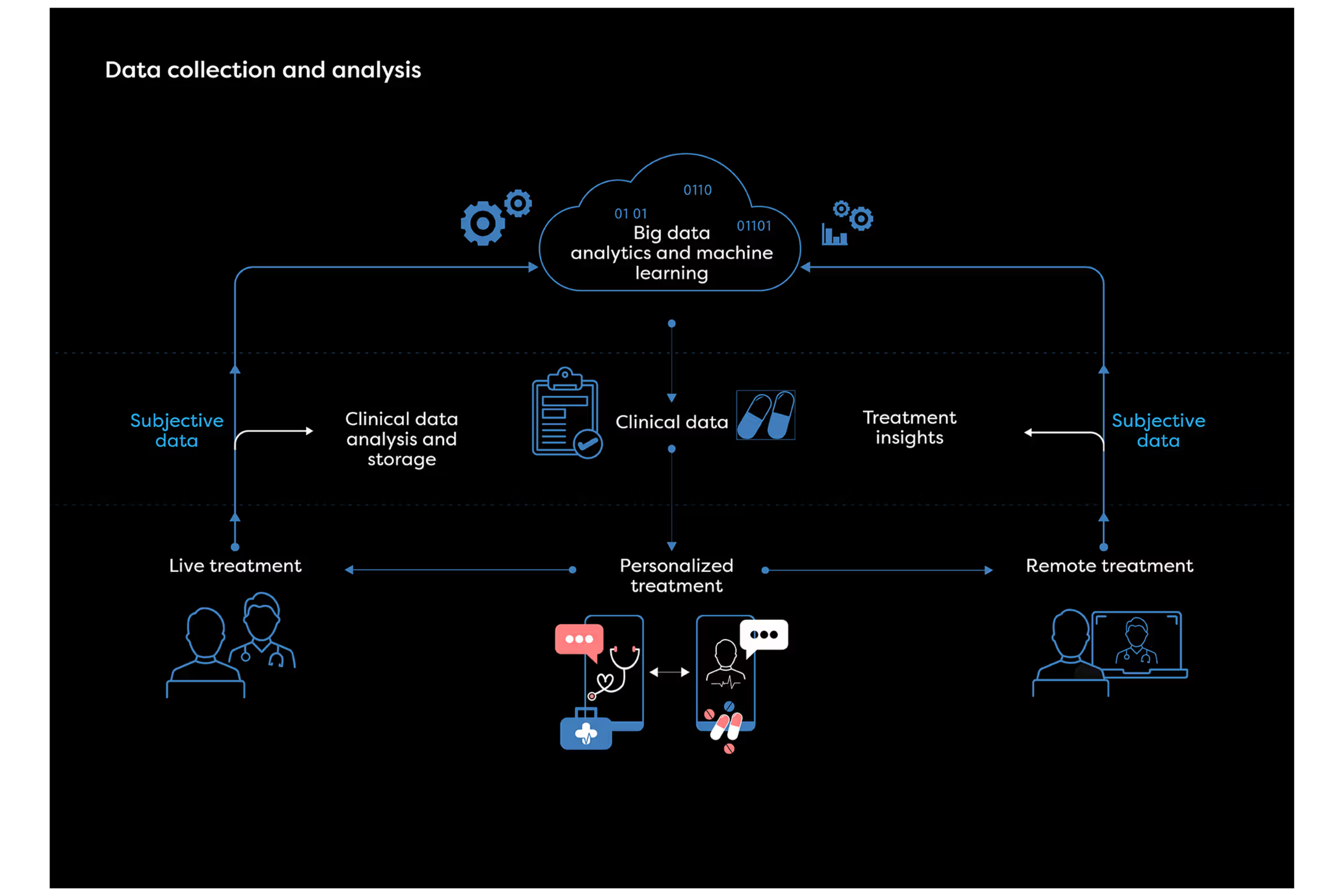
At the heart of Grasp’s technology lies a sophisticated decision and analysis system, which ensures that every piece of data contributes to a clearer picture of patient health, driving better decisions and improved health outcomes.
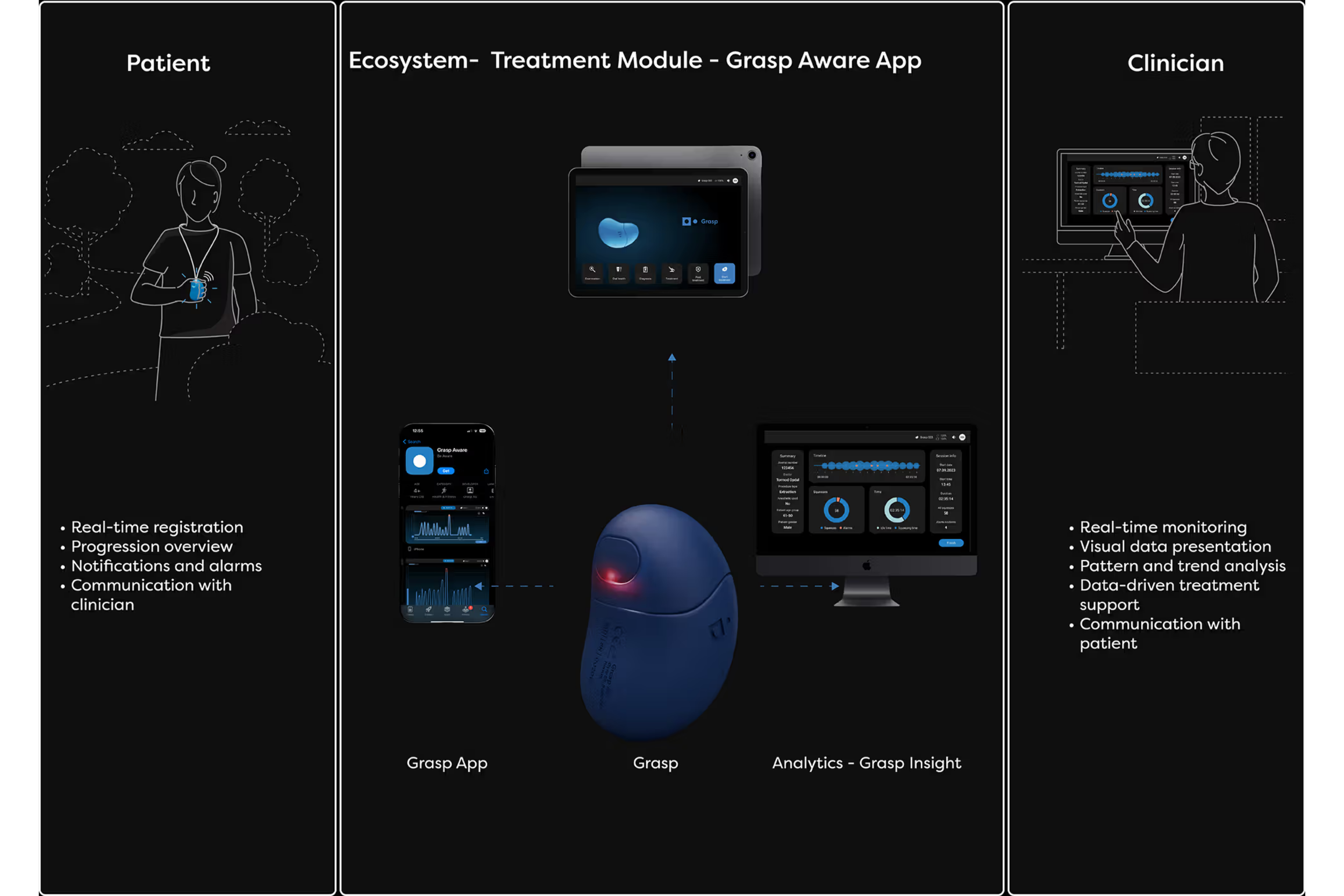
A seamless ecosystem
Our ecosystem includes multiple interfaces and applications, creating a cohesive platform for patients, clinicians, and decision-makers. By integrating real-time monitoring, data-driven analysis, and personalized treatment strategies, Grasp empowers a proactive approach to healthcare.

Artificial intelligence that reflects the whole patient
Artificial intelligence in healthcare has traditionally relied on objective data. Imaging, measurements, and workflows have enabled remarkable precision and efficiency.
Yet outcomes are not shaped by measurements alone. Stress, uncertainty, trust, and perceived control influence how patients experience care and how recovery unfolds.
Grasp captures these subjective patient signals in real time. When combined with objective clinical data and AI-driven analysis, these signals add critical context and strengthen decision support.
-
AI has excelled at analyzing objective inputs. But objective data explains what is happening medically, not how it is experienced by the patient.
Context emerges when clinical measurements are combined with real-time patient signals. Together, they provide a more complete understanding of the situation, enabling AI to support decisions that balance medical precision with human experience.
In postoperative care, for example, Grasp can contribute symptom and pain signals to recovery platforms such as RecovryAI, helping clinicians understand how patients are coping during recovery.
-
Patient-reported signals are often treated as secondary to clinical metrics. In reality, they provide critical insight into stress response, readiness, risk tolerance, and ability to cope during treatment.
When subjective experience is integrated alongside objective data, AI moves from protocol-driven recommendations toward truly personalized, situation-aware guidance.
-
The next generation of AI is not about producing more dashboards or alerts. It is about supporting better clinical judgment in complex, human-centered environments.
By interpreting both medical parameters and patient experience in real time, AI can generate recommendations that are meaningful and actionable at the point of care.
-
Efficiency matters. But sustainable healthcare also depends on safety, trust, adherence, and long-term engagement.
When AI incorporates both clinical and experiential dimensions, it supports care that is not only technically correct, but aligned with patient comfort, stability, and long-term outcomes.
Grasp in numbers
Number of users
677

Number of treatment sessions
10,321

Number of clinical data points
152,234

Choose the solution that fits your clinical workflow
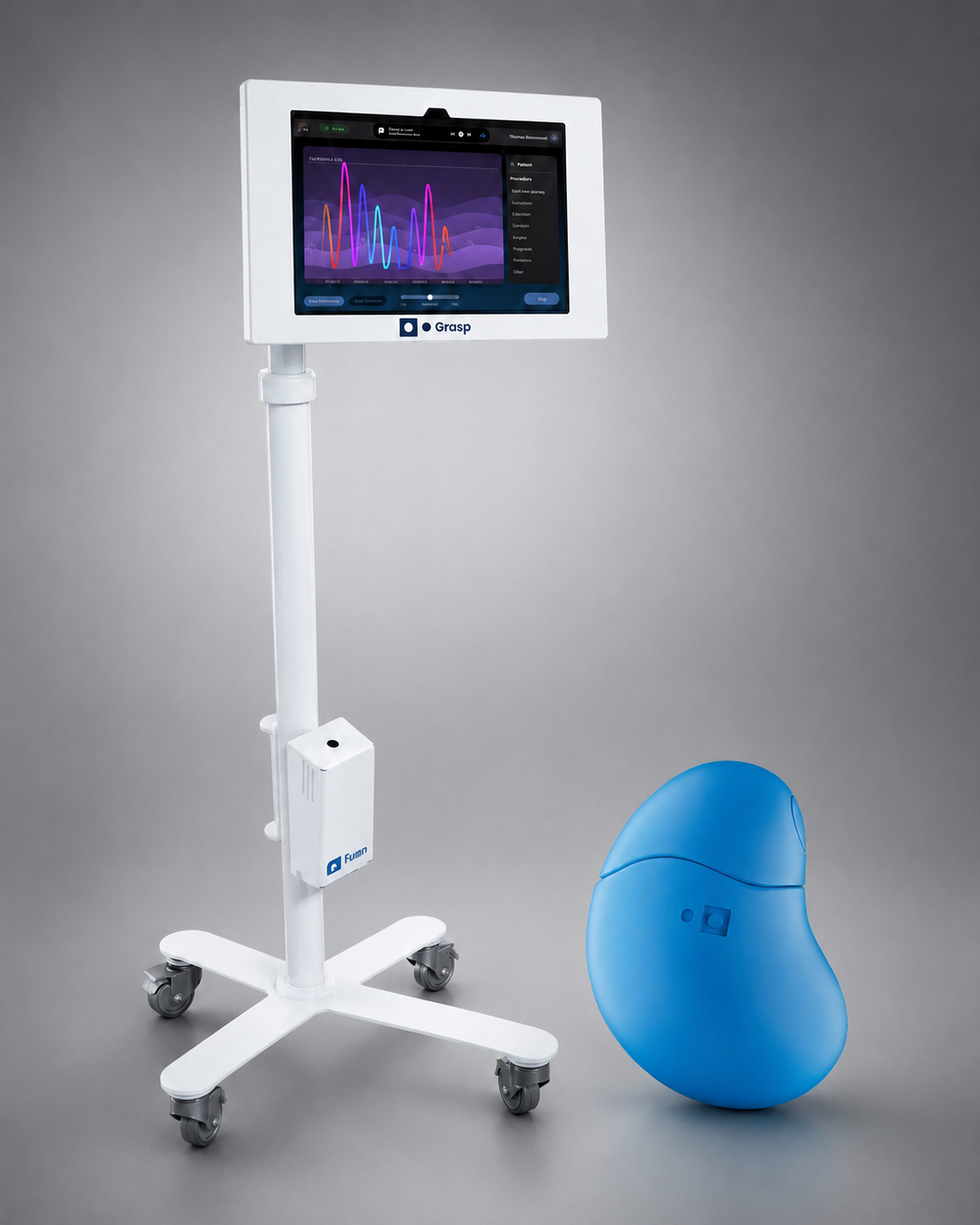
Grasp Aware Cart
Best for clinics where mobility and accessibility matters
NOK 60,000 excl. VAT
Financing by monthly payment is available (talk to our team).
The price includes 3 years of software license and 1 year warranty.
-
Grasp Device (pressure-sensitive silicone device)
Mobile Cart (5 wheels, height-adjustable up to approximately 1.5 m)
Lenovo Tab K11 5G 11” med MDM with MDM (Mobile Device Management)
Sound system
Storage compartment for power supply and cables
24h Access to Grasp Aware Mobile App with unlimited number of sessions
24h Access to Grasp Insights Web App providing dashboards and usage analytics
Support and training on how to get the most value for your clinic
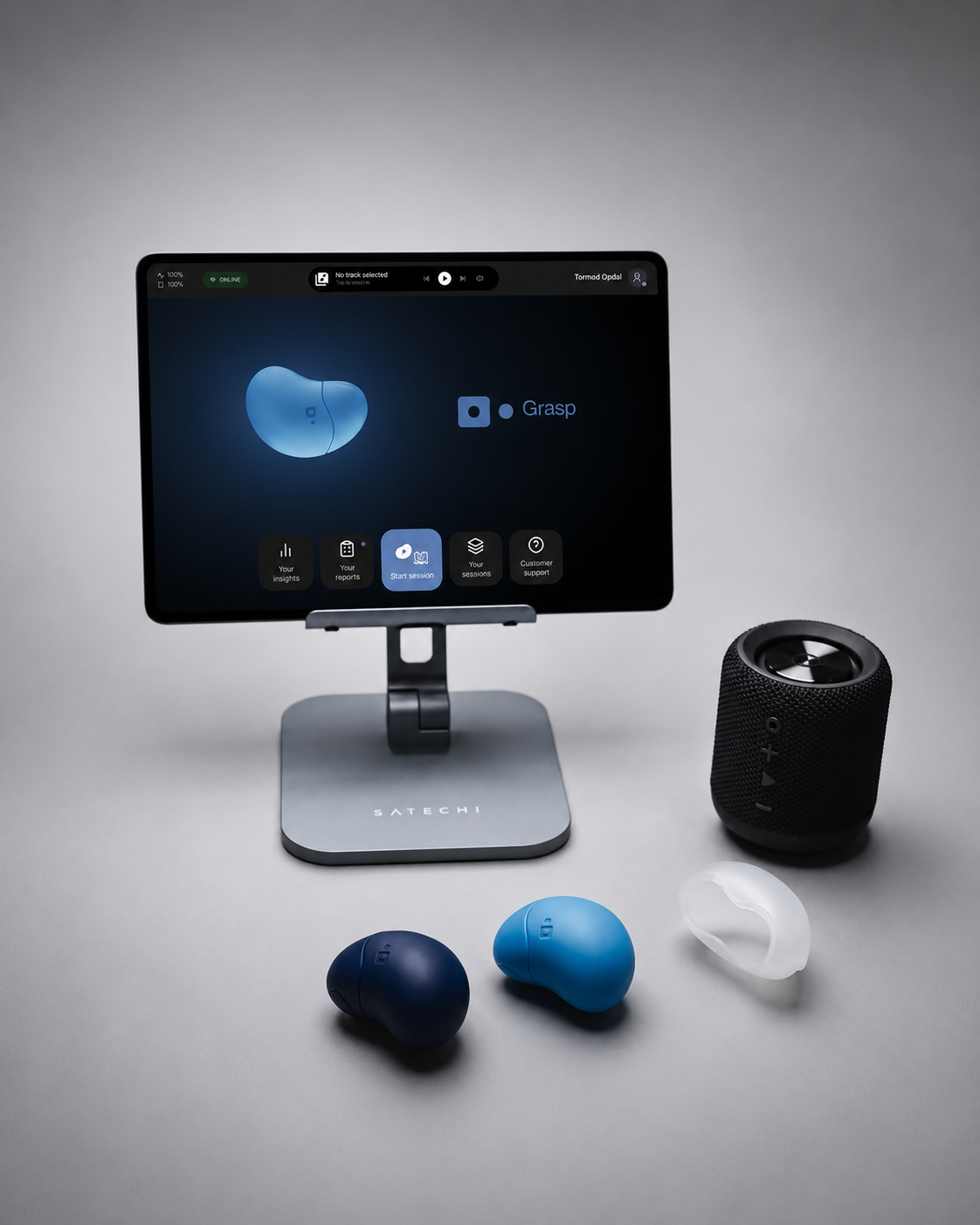
Grasp Aware Pod
Ideal for treatment rooms with a fixed setup
NOK 30,000 excl. VAT
Financing by monthly payment is available (talk to our team).
The price includes 3 years of software license and 1 year warranty.
-
Grasp Device (pressure-sensitive silicone device)
Table Stand
Lenovo Tab K11 5G 11” med MDM with MDM (Mobile Device Management)
Sound system
24h Access to Grasp Aware Mobile App with unlimited number of sessions
24h Access to Grasp Insights Web App providing dashboards and usage analytics
Support and training on how to get the most value for your clinic
Whatever challenge your patients face, we are here to help them cope with confidence.
-
Grasp was founded by two clinicians who, over years of practice, repeatedly saw the same challenge: patient fear was recognized, but rarely managed in a way that strengthened confidence and lasting trust.
-
By combining clinical insight with proven coping strategies, Grasp gives patients a simple way to express and manage their emotions in real time. Helping them feel safer, more in control, and better supported during care.
-
We collaborate with dental clinics, primary care providers, emergency departments, and hospitals committed to delivering calmer, more confident care.